
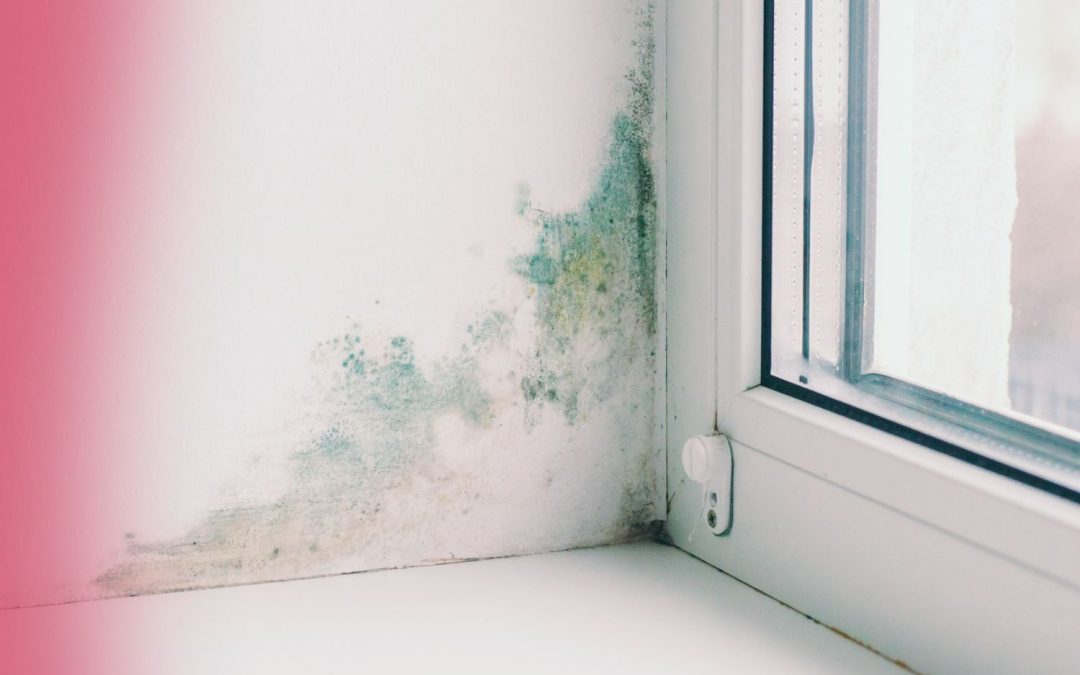
Walking into your home and smelling something musty is never a good feeling. In a city like Atlanta, where the humidity can climb quickly, seeing a dark spot on the wall is a common worry. Many people use the terms interchangeably, but there is a big gap between mold and mildew. Knowing which one you are dealing with is the first step toward keeping your home safe.
If you are buying a home in the Atlanta metro area, you need to know what these fungi mean for your property. One is usually a minor cleaning chore, while the other can signal a major structural problem.
Understanding the key differences between mold and mildew is crucial for effective response and property protection. Recognizing these differences allows homeowners and facility teams to respond appropriately and effectively to potential health risks and property damage. This guide breaks down the five biggest differences to help you act fast.
1. The Physical Appearance and Texture
The easiest way to tell the difference is by looking at what is growing. Mildew is almost always flat. It looks like a thin layer of dust or powder on a surface. It usually starts out white or gray and might turn yellow over time. Mildew typically appears as a dry, white, or gray surface growth. You will often see it on the leaves of plants or on the grout in your shower.
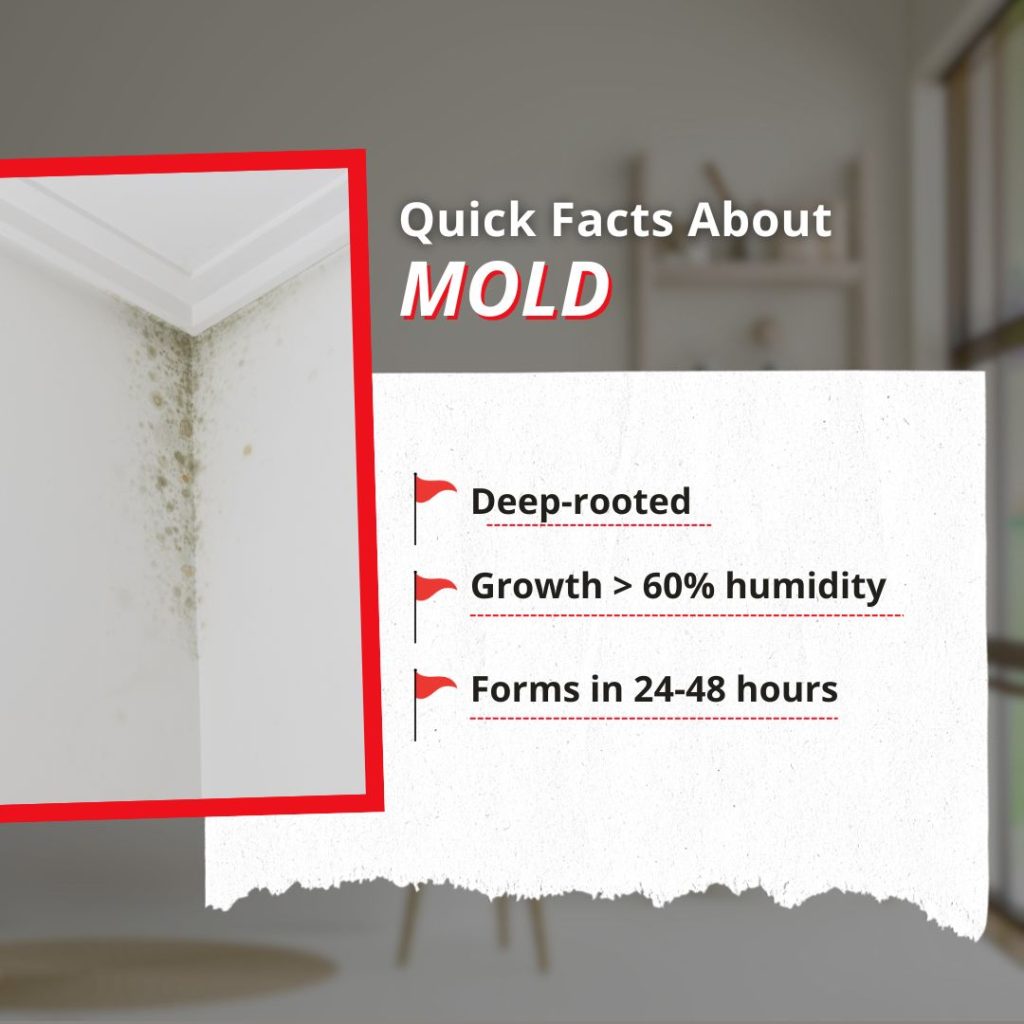
Mildew grows on surfaces such as fabric, wallpaper, tiles, and organic materials, especially in humid environments like bathrooms and windowsills. In the early stage, mildew often forms a thin, powdery layer and can colonize surfaces within 24 to 48 hours of water exposure.
Mold looks very different. It is usually fuzzy, slimy, or even bumpy. It grows in irregular patches that look like they are blooming out of the surface. Mold comes in many colors, including dark green, bright red, and deep black. If the spot looks like it has “height” or texture to it, you are likely looking at mold rather than mildew.
The difference between mildew mold and mold is that mildew mold is surface-level and easier to clean, while mold penetrates deeper and can cause more severe health and structural issues. Mold is usually fuzzy or slimy, dark in color (black/green), and penetrates deep into materials.
If the growth wipes away easily with a standard cleaner, it is likely mildew; if it leaves a deep stain, it is likely mold.
Mildew is often easier to clean than mold, which can require professional removal. Mildew can be removed with standard household cleaning products and a good scrubbing brush.
2. How Deep the Growth Goes
Mildew is a surface fungus. It lives on top of materials and does not usually eat into them. This is why you can often scrub it off a windowsill or a shower curtain with a little elbow grease. It does not cause permanent damage to the structure of your home if you catch it early. Mildew is mostly cosmetic and does not pose serious health or structural risks.
Mold is much more aggressive. It sends out roots called hyphae that dig deep into porous materials. It can live inside your drywall, your wood framing, and your attic insulation. Because it lives inside the material, you cannot just wipe it away. Even if the surface looks clean, the roots are often still there, waiting for more moisture to grow again.
Unlike mildew, mold can cause severe health issues and structural damage, making prompt and thorough remediation essential.
3. Common Locations in the Home
In the Atlanta metro area, we see mildew most often in places with high moisture but some light or airflow. Mildew is frequently found in moist environments such as bathrooms and kitchens, where humidity and condensation are common.
It is very common during our humid spring and summer months when the air feels heavy. Mildew and mold are also often found in confined spaces like bathrooms, basements, and other areas with limited airflow.
Mold prefers dark, damp, and stagnant places. It thrives in your crawlspace, behind the baseboards of a leaky plumbing system, or under the roof decking in a poorly vented attic. Mold can grow on any damp surface, especially after water damage or past water damage, making these areas particularly vulnerable.
Both mold and mildew require moisture, high humidity (typically above 60%), and poor ventilation to flourish. Mold can begin forming within 24 to 48 hours after a water intrusion event if moisture is not properly controlled. Moisture issues are common in commercial facilities, with 85% of office buildings having experienced past water damage.
Each thrives in damp areas, but mold can cause more significant structural damage. If you have a slow leak in a pipe under your kitchen island, mold will grow in the dark cabinet long before you ever see it.
4. The Smell of the Fungus
While both have an earthy scent, they smell different if you know what to look for. Mildew has a scent that most people describe as “musty.” It is like the smell of an old book or a damp towel that was left in the hamper too long. It is annoying, but usually not overpowering.
Mold has a much stronger, more pungent odor. People often describe it as smelling like rotting wood or wet dirt. This smell is caused by microbial volatile organic compounds. If you walk into a room and the smell is strong enough to make you want to leave, you are probably dealing with a significant mold colony hidden nearby.
5. Cleaning and Removal Methods
Because mildew is on the surface, you can usually kill it with common household cleaners. A mixture of vinegar and water or a mild bleach solution is often enough to clear it up. Since it does not dig deep, once it is gone, it is gone.
Mold requires a much more serious approach. Removing mold is more complicated than removing mildew and may require professional help. Since it lives inside the material, the material itself often has to be removed.
If mold gets into your drywall, that piece of drywall usually needs to be cut out and replaced. If it is on your wood studs, it may need professional sanding and specialized coatings to kill the roots. Attempting to clean mold without proper methods can actually worsen the problem and pose health risks.
If mold covers a small area (less than 10 square feet), homeowners can clean it themselves, but if it has spread to a larger area or is present in hidden spaces, professional mold remediation services may be required.
| Feature |
Mildew (Surface) |
Mold (Structural) |
|---|---|---|
| Color | White, Gray, or Yellow | Green, Black, Brown, or Red |
| Texture | Flat and Powdery | Fuzzy, Slimy, or Thick |
| Depth | Surface only | Deep roots (hyphae) |
| Smell | Mildly Musty | Strong, Rotting Odor |
| Fix | Simple Cleaning | Removal of Material |
Health Risks for Homeowners
When it comes to mold and mildew in your home, the health risks are nothing to take lightly. Both mold spores and mildew spores can become airborne, leading to a range of health issues for you and your family.
For some, exposure may only cause mild allergic reactions like sneezing, coughing, or eye irritation. But for others, especially those with asthma, allergies, or weakened immune systems, the effects can be much more serious.
Black mold, also known as toxic black mold or Stachybotrys chartarum, is particularly dangerous. This type of mold produces toxins that can trigger severe reactions, including skin irritation, respiratory problems, and even neurological symptoms in sensitive individuals. If you notice a musty odor or musty smell in your home, it could be a warning sign that mold growth is present, even if you can’t see it yet.
Mold and mildew thrive in damp areas with poor ventilation, such as crawl spaces, basements, and behind ceiling tiles or recessed lights. High moisture levels, often caused by leaky pipes, water-damaged materials, or a blocked clothes dryer vent, create the perfect environment for these fungi to grow.
Once established, mold can quickly spread through porous materials like drywall, insulation, and wood, making remediation more difficult and costly.
Preventing Mold at Home
To prevent mold and mildew from becoming a health concern, homeowners should focus on moisture control and early detection. Here are some preventive measures you can take:
- Use exhaust fans in bathrooms, kitchens, and laundry rooms to reduce humidity.
- Regularly clean and maintain your clothes dryer vent to prevent moisture buildup.
- Inspect crawl spaces, ceiling tiles, and other damp areas for warning signs of mold growth.
- Replace water-damaged materials promptly, as they are prime spots for mold to thrive.
- Clean non-porous surfaces with a mild detergent, and consider replacing porous materials if mold is present.
- Wear protective gear, such as gloves and masks, when cleaning mold to avoid direct contact with spores.
If you spot mold growth larger than a few square feet, or if you suspect toxic black mold, it’s best to call in a professional for mold remediation. Attempting to clean large infestations yourself can release millions of spores into the air, increasing health risks and spreading the problem further.
Early detection and regular maintenance are your best defenses against mold and mildew. By staying alert to musty odors, visible spores, and other warning signs, you can address issues before they escalate into serious health problems or structural damage. Remember, a healthy home starts with moisture control and prompt action at the first sign of trouble.
Mold vs Mildew in the Atlanta Climate
Georgia’s climate plays a huge role in how these fungi grow. Across the Atlanta metro area, residents deal with intense heat and high humidity. When you run your air conditioning system during a hot summer day, the difference in temperature between the inside and outside can cause condensation.
If your home has poor insulation and ventilation, that moisture gets trapped. This is why mold is often found in attics throughout Atlanta. The roof system gets incredibly hot, and if the air is not moving properly through vents, moisture builds up. This creates a perfect greenhouse for mold.
To help prevent mold and mildew growth, it’s important to improve ventilation in attics and other moisture-prone areas. Enhancing airflow reduces trapped moisture and helps keep these spaces dry.
The Role of Home Systems in Fungal Growth
During a professional home inspection, we look at every major system to find the source of moisture. If we find fungi, we want to know why they are there. Identifying whether you are dealing with mold or mildew is crucial, as each requires different management strategies and can pose varying health risks.
- Plumbing System: Even a small drip under a water heater can lead to a massive mold problem in the flooring.
- Roof System: Missing shingles allow water into the attic, which ruins insulation and feeds mold growth.
- HVAC System: If your AC drain line is clogged, water can back up into your home, leading to hidden mold in the walls.
- Interiors: We check the seals around windows and doors to ensure humid Atlanta air stays outside where it belongs.
Routine inspections of high-risk areas such as restrooms and HVAC systems can help detect mildew early and prevent mold escalation.
Other Recommended Maintenance and Related Questions
Can mold grow on brick or stone? Yes, mold can grow on almost any surface if there is organic matter like dust or dirt for it to eat. In Atlanta, we often see mold on the north side of stone homes where the sun does not hit as much, and moisture stays longer.
Does a dehumidifier prevent mold and mildew growth? Yes, by maintaining indoor relative humidity below 50%, a dehumidifier removes the moisture required for fungal spores to colonize. While it is an effective preventative tool, a dehumidifier cannot remediate existing growth behind walls or within HVAC systems; those areas require a professional moisture assessment and specialized inspection to ensure structural integrity.
Is it safe to reside in a property with visible mildew? While mildew is typically a surface-level fungi that causes minor respiratory irritation, its presence is a primary indicator of a larger moisture problem. If left unaddressed, the environmental conditions supporting mildew will eventually facilitate the growth of more toxic mold strains. Identifying the root cause of dampness, whether through a leak or poor ventilation, is essential to protecting long-term health and property value.
When to Call a Professional
If you find a patch of growth that is larger than three square feet, you should stop cleaning and call a pro. Mold and mildew can affect both your health and property, sometimes causing significant issues if not addressed properly.
Scrubbing large mold colonies can actually release millions of spores into the air, making the problem worse and potentially making you sick. The presence of mold and mildew in the home can have an effect on the health of humans and pets, so it’s important to address these issues promptly.
A professional home inspector can use tools like thermal imaging to see “cold spots” behind your walls. These spots often mean there is water hiding where you cannot see it. Finding the leak is the only way to stop the cycle of growth. If you are buying a home, an inspection is your best defense against inheriting someone else’s mold problem.
Conclusion
Knowing the differences between mold vs mildew helps you protect your biggest investment. While mildew is a surface issue you can usually handle yourself, mold is a more serious threat that requires a professional eye.
Addressing mold and mildew promptly is crucial due to potential health concerns, especially for sensitive individuals. Keeping all surfaces dry is essential to prevent mold and mildew growth. While air purifiers can help with symptoms related to mold spores in the air, they are not a lasting solution.
By keeping your Atlanta metro home dry and well-maintained, you can avoid these issues entirely. Harmony Home Inspection Services is here to help you understand every inch of your property.
If you are worried about moisture or just want a clear picture of a home you are buying, reach out to us today. We offer thorough inspections that cover everything from your roof to your foundation, giving you the peace of mind you deserve.