
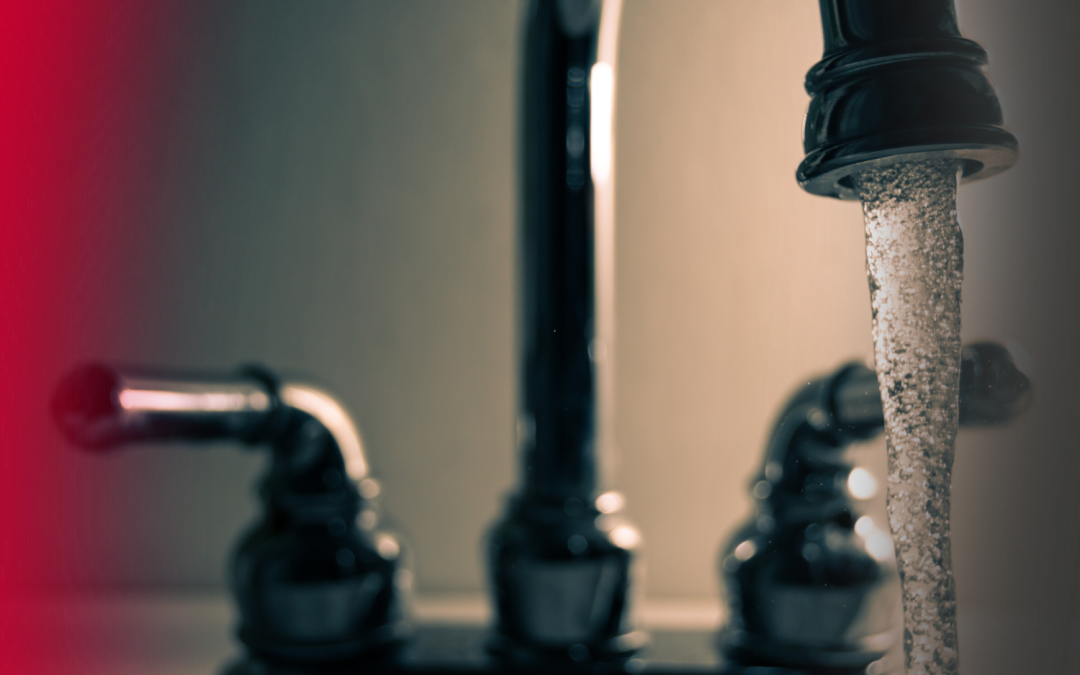
For most homeowners on a public water system, sink water is safe to drink. The EPA’s Safe Drinking Water Act regulates public water suppliers, and more than 90% meet federal standards. What matters most is what happens inside your home: the age of your pipes, your water heater’s condition, and whether you’re on well water or city water.
If your water is clear, odorless, and your plumbing is modern, you probably do not need a filter. If you have older pipes, a private well, or live near an industrial area, a filter is worth considering.
Where Your Sink Water Comes From
Most U.S. homes get water from one of two sources: a municipal (city) system or a private well.
- Municipal water is treated at a facility with chlorine, filtration, and sometimes fluoridation before it leaves the plant. It travels through city mains and your home’s plumbing before reaching the tap. The treatment is reliable, but pipes inside your home can still affect what comes out.
- Private well water is the homeowner’s responsibility. According to the CDC, wells can be contaminated by pesticides, bacteria, nitrates, and naturally occurring minerals. Annual testing is strongly recommended.
What’s in Your Tap Water?
Tap water contains more than H2O. Some is added intentionally; some is not.
Intentional Additions
- Chlorine: Kills bacteria and viruses. Safe at regulated levels, though some people notice the taste or smell.
- Fluoride: Added by many municipalities for dental health. Tightly controlled.
- Minerals: Calcium and magnesium enter water naturally and cause “hard water.” Not a health concern.
Contaminants You Don’t Want
- Lead: Homes built before 1986 may have lead solder or service lines. There is no safe exposure level for lead, especially for children. It has no taste, smell, or color, so testing is the only way to know.
- PFAS (“forever chemicals”): In 2024, the EPA finalized its first-ever federal PFAS drinking water standards. These synthetic chemicals persist in the body and have been linked to cancer and immune system damage. Homes near military bases, industrial sites, or airports face higher risk.
- Nitrates: An issue in agricultural areas from fertilizer runoff. Dangerous for infants at high levels.
- Bacteria: Rare in maintained city systems, but a real concern in private wells or after flooding.
Warning Signs Your Water May Have a Problem
Watch for these red flags:
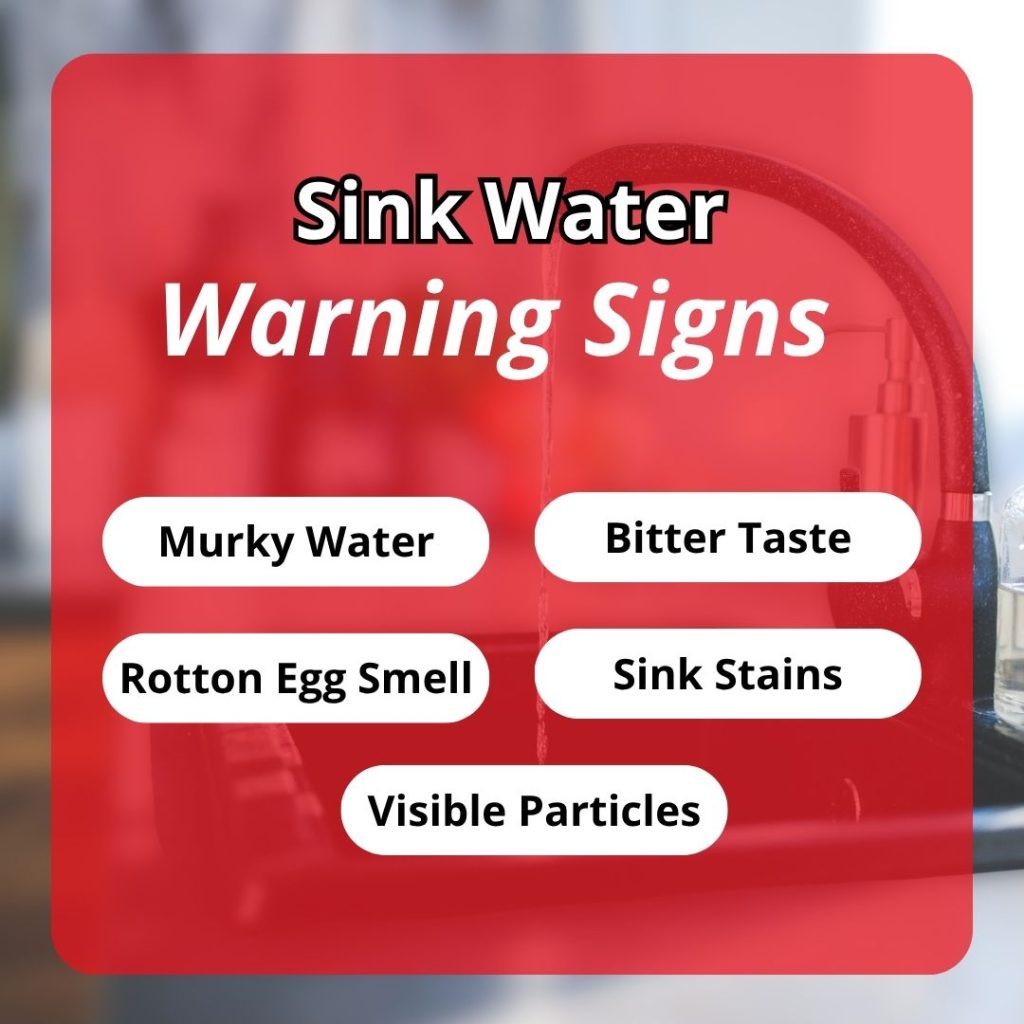
- Cloudy or rust-colored water: may signal pipe corrosion or sediment
- Metallic taste: often means corroded pipes or elevated lead
- Rotten egg smell: hydrogen sulfide, common in well water or a neglected water heater
- Musty or earthy smell: algae or buildup inside pipes
- Visible particles: sediment from aging pipes or a failing water heater
These don’t confirm contamination, but any of them is a reason to test before continuing to drink from the tap.
How to Check Your Water Quality
- Read your Consumer Confidence Report (CCR). Every public utility must publish one annually by July 1. It lists every tested contaminant and how results compare to EPA limits. Search “[your city] Consumer Confidence Report” or use the EPA’s online CCR finder.
- Use a home test kit. Available at hardware stores for $15 to $50. Good for checking lead, chlorine, bacteria, hardness, and pH. Note: home kits do not test for PFAS or most industrial chemicals.
- Send a sample to a certified lab. The most thorough option. Labs charge $50 to $200, depending on the test panel. Your state environmental agency maintains a list of certified labs. This is the right call if you have a private well, suspect PFAS, or want a complete picture.
Types of Water Filters and What They Remove
Match the filter to the contaminant you want to remove:
| Filter Type | Cost | Best For |
| Pitcher filter | $20-$60 + cartridges | Chlorine taste, light sediment |
| Faucet-mount | $30-$80 | Chlorine, some lead |
| Under-sink | $100-$300 | Lead, cysts, sediment |
| Reverse osmosis (RO) | $150-$600 installed | Lead, PFAS, nitrates, arsenic |
| Whole-house | $800-$2,500+ | Sediment, chlorine throughout the home |
Look for NSF/ANSI 53 certification for lead removal, and NSF/ANSI 58 for reverse osmosis systems. Marketing claims vary; certifications do not. Homeowners with lead pipe concerns should prioritize NSF/ANSI 53 or an RO system.
When You Can Skip the Filter
You likely do not need a filter if:
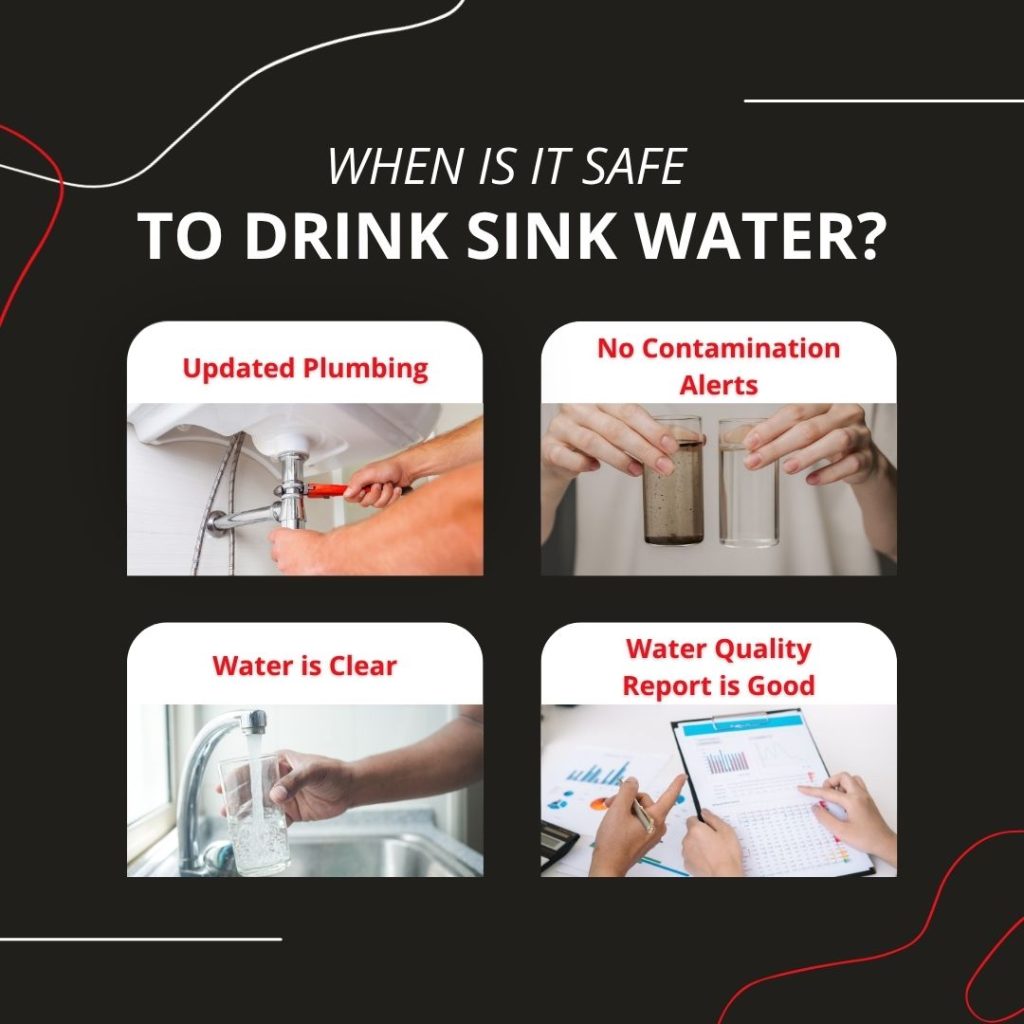
- Your CCR shows all contaminants below EPA limits
- Your home has copper or PEX plumbing installed after 1986
- Your water is clear, odorless, and tastes normal
- No boil-water notices or advisories are in effect for your area
Under those conditions, tap water is safe. A filter is a preference, not a necessity.
What a Home Inspection Can Tell You About Your Water
Harmony Inspection Services does not perform water testing, but a professional home inspection reveals a great deal about the systems that affect your water quality.
During an inspection, Hank will examine:
- Water supply lines for corrosion, improper materials, or past leaks
- Visible plumbing for galvanized steel or other older materials
- Water heater condition and age; a failing heater can add sediment and affect the taste
- Drainage systems for signs of cross-contamination
If the inspection flags corroded pipes or aging plumbing, that is a reason to test the water before closing. In Metro Atlanta and North Georgia, homes built before 1986 may still have galvanized steel or lead-solder connections. Homeowners in hard water areas often find mineral buildup inside heaters and supply lines during inspections, a condition that testing alone would not surface.
Related Questions to Explore
- Can a home inspection tell me if my water is safe? Not directly. Harmony Inspection Services does not perform water testing, but a home inspection tells you a great deal about the systems delivering your water. Hank will inspect the water supply and drainage systems, flag visible pipe corrosion or outdated materials, and evaluate your water heater’s age and condition. If those checks turn up red flags, that is your cue to bring in a certified water testing lab before you close.
- Can old pipes affect drinking water quality? Yes, and it is one of the more common findings in Metro Atlanta’s older housing stock. Galvanized steel pipes corrode from the inside and can release rust and sediment. Lead solder used before 1986 can leach lead into the water with no taste or odor to warn you. During a home inspection, Hank identifies the pipe materials present, so you know whether testing for lead is warranted.
- What does a home inspection check on the water heater? Quite a bit. Harmony’s inspectors evaluate the water heater’s age, energy rating, size relative to the home, and whether it meets local code. A neglected water heater can introduce sediment and sulfur-like odors into your hot water supply, which is often mistaken for a source-water problem. If the heater is aging or showing signs of corrosion, that finding shows up in your inspection report along with recommended next steps.
- Does boiling tap water make it safe? Boiling water in your home kills bacteria and viruses, which makes it useful during a boil-water advisory. It does not remove lead, PFAS, or nitrates, and can actually concentrate those chemicals as the water volume reduces. For chemical contamination, a filter certified for the specific contaminant is the right tool, not heat.
- What is PFAS and should I be worried about it? PFAS are synthetic chemicals used in nonstick coatings and firefighting foam that break down very slowly in the body. The EPA set its first-ever federal PFAS drinking water limits in 2024. A standard home inspection does not screen for PFAS, but if you are buying near a military base, industrial facility, or airport, request your CCR or arrange lab testing as part of your due diligence.
- Is the bathroom sink water safe to drink? Bathroom pipes draw from the same supply line as the kitchen. The concern is that bathroom lines sit unused longer, allowing water to stagnate. For daily drinking, stick to the kitchen tap. If you notice any discoloration or odor from a bathroom faucet that does not appear in the kitchen, mention it to your inspector as part of a home inspection walkthrough so it can be investigated at the plumbing level.
When to Call a Professional
Contact a licensed plumber or certified water testing lab if:
- Your water changes color, smell, or taste suddenly
- You receive a boil-water or contamination notice
- A home inspection finds corroded pipes, galvanized steel, or a failing water heater
- Your home was built before 1986, and you have not tested for lead
- You have a private well that has not been tested in over a year
- You live near a military base, landfill, or industrial facility
If you are buying or selling in Metro Atlanta or North Georgia, schedule a home inspection with Harmony Inspection Services. We will walk through your plumbing and water systems and flag anything that warrants follow-up testing.
The Bottom Line
Sink water is generally safe to drink if you are on a regulated city system with modern plumbing. Older pipes, private wells, and PFAS exposure zones change that calculation.
Read your CCR, know your pipe materials, and test if you have any reason for concern. A filter adds peace of mind; just make sure it carries the right NSF certification for what you are trying to remove.
Buying a home and want to know what your plumbing is actually made of? Request an inspection from Harmony Inspection Services. We have completed more than 8,000 inspections across Metro Atlanta and North Georgia since 2004. We cannot test your water, but we can tell you a great deal about the systems delivering it.