
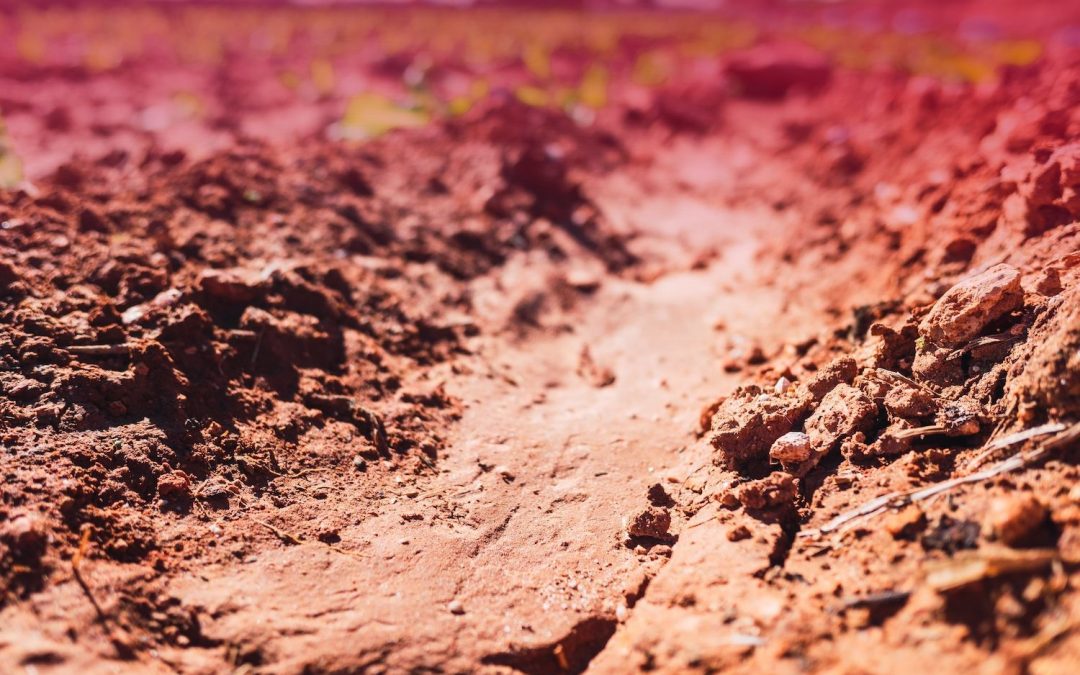
If you have spent any time digging in a Georgia backyard, you already know the soil. It is dense, heavy, and stains everything it touches a deep orange-red. Most homeowners do not realize how much work it is to do on their home year-round.
Across Lawrenceville, Gainesville, Hoschton, and Cumming, red clay is underneath virtually every home in metro Atlanta and North Georgia. It absorbs rainfall and swells. It dries out and shrinks, shifts and presses in ways that build up quietly over time until a foundation crack appears, a door stops closing right, or water starts showing up somewhere it should not be.
What Is Georgia Red Clay Soil?
Georgia red clay is a type of expansive clay soil, and the word expansive is the most important thing to understand about it. Expansive soils absorb water and physically increase in volume. When they dry out, they contract and pull back.
This is not a slow or subtle process. The volume change can be significant enough to shift soil, crack sidewalks, and apply sustained pressure to foundation walls and drainage systems.
Red clay is classified as an Ultisol and is characterized by high iron oxide content, fine soil particles, and high density. It is rich in kaolinite, a mineral that makes it particularly dense and fine-grained, and it has a naturally low permeability. Water moves through it very slowly, which means it tends to sit on the surface and run wherever gravity takes it, rather than absorbing into the ground quickly.
This combination of expansion, contraction, and poor drainage is what puts Georgia homes in a different category from homes built on sandy or loamy soils. The physics of the soil are working on your home constantly, and the effects accumulate over years and decades.
How Georgia Red Clay Affects Your Home’s Foundation
Understanding these characteristics is essential for homeowners and gardeners alike, as they directly impact foundation stability, drainage, and plant growth. In the following sections, we will explore how Georgia red clay affects your home’s foundation and drainage, along with practical tips for managing this challenging soil type.
Lateral Pressure on Foundation Walls
When red clay absorbs water after a heavy rain, it expands in all directions, including sideways against your foundation walls. This lateral pressure is the primary driver of horizontal foundation wall cracks, which are among the most serious types a home inspector can find.
Unlike vertical cracks, which often form as concrete cures, horizontal cracks suggest the wall is under directional pressure and may be beginning to bow inward. In North Georgia and metro Atlanta, this pattern shows up regularly and is directly connected to expanding clay pressing against the exterior of the wall.
Differential Settlement
Not every section of soil beneath a home absorbs or releases moisture at the same rate. The area near a downspout may stay saturated longer after a storm. A section under a covered porch may dry out faster. When different clay zones expand and contract at different rates, the home settles unevenly.
This is one of the most common causes of diagonal foundation cracks in Georgia homes. Those diagonal lines running from the corners of windows or door frames, along with sticking doors and slightly uneven floors, are all related symptoms that develop gradually over time.
Void Formation Under Slabs
During a prolonged dry period, red clay can pull away from the underside of a concrete slab entirely, leaving a void where the foundation once had uniform support. Once that gap forms, the slab begins to flex under the home’s weight, leading to cracking, surface pop-outs, and in more severe cases, visible sagging in floors above.
This is why drought years in Georgia tend to bring a higher volume of foundation-related calls. Damage that shows up in late summer often traces back to soil movement that began months earlier.
What This Means for a Home Inspection
When a home inspector evaluates a property in Buford, Winder, or anywhere else in this region, the local soil profile is a built-in part of the evaluation. A trained inspector considers the direction of a crack, where it appears on the wall, whether it shows signs of active movement, and how the drainage and grading around the home may be contributing.
The exterior walk-around is one of the most important parts of a Georgia home inspection because conditions outside directly influence what is happening inside the foundation walls.
How Red Clay Creates Drainage Problems Around Georgia Homes
Foundation issues and drainage problems are closely linked in red clay soil, and each one tends to make the other worse.
Because red clay is so dense and fine-grained, water moves through it far more slowly than through sandy or loamy soils. When heavy rain hits a yard full of red clay, the ground cannot absorb it fast enough, so water sheets across the surface and runs wherever gravity directs it.
If the yard slopes even slightly toward the house, that runoff is heading straight for the foundation, saturating the clay against the wall and triggering the expansion cycle that drives lateral pressure and cracking.
Many newer subdivisions throughout Gwinnett, Hall, and Forsyth Counties were developed on heavily graded and filled land. That construction process compacts red clay significantly, leaving it even denser and less permeable than native undisturbed soil. Add years of foot traffic and landscaping on top of that, and drainage capacity decreases further over time.
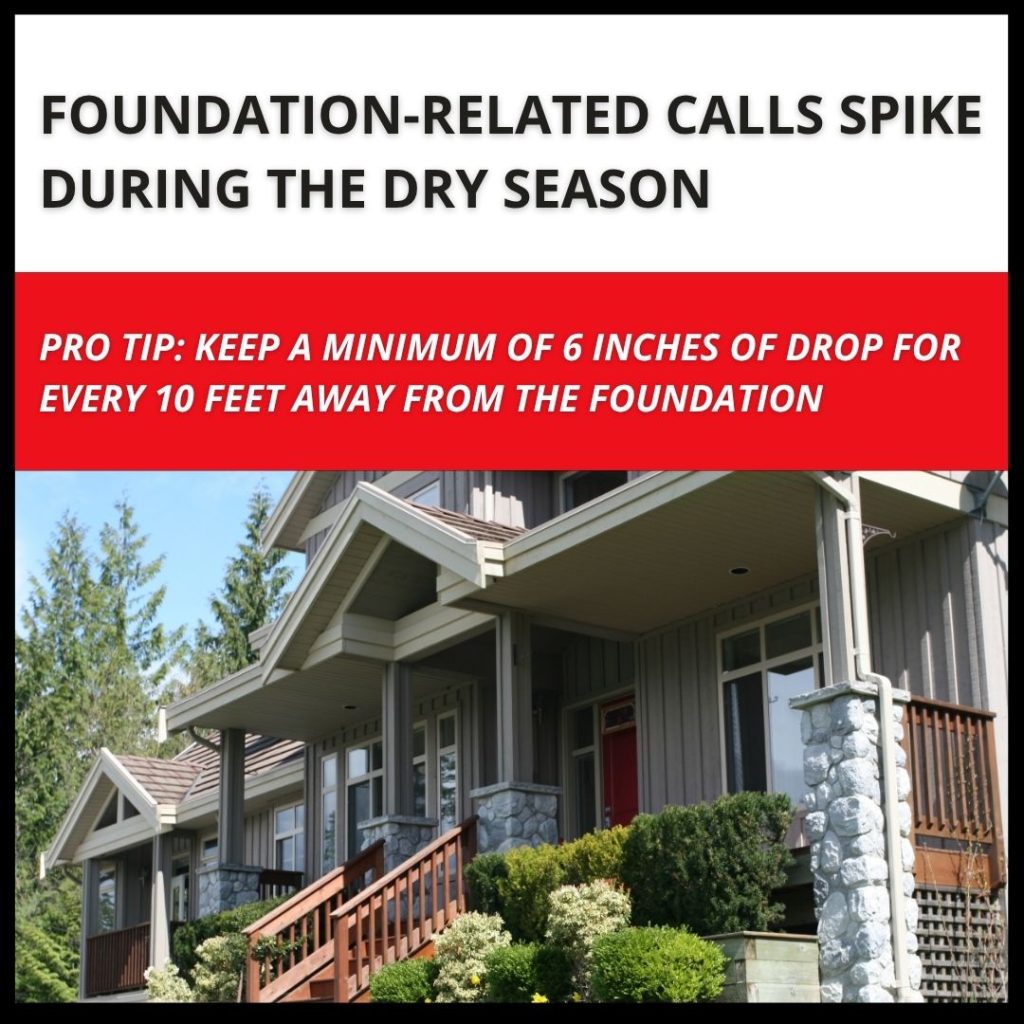
The general guideline for proper yard grading is a minimum slope of six inches of drop for every ten horizontal feet measured away from the foundation. In red clay country, maintaining this slope is not optional. Even a grade that was correct when the home was built can flatten or reverse as soil settles, mulch builds up, or landscaping is added against the foundation.
Walking the perimeter of your home after a significant rain and watching where water goes is one of the simplest and most useful things a homeowner can do.
Red Clay, Crawl Spaces, and Basements
Homes with crawl spaces or basements face a more direct relationship with red clay than slab-on-grade homes, and that distinction matters during a home inspection.
Many homes in Hoschton, Winder, and Braselton sit on crawl space foundations where the floor system is just a few feet above bare red clay soil. When that soil stays wet after prolonged rain, moisture vapor rises into the crawl space and begins affecting the wood structure above.
Floor joists and beams that stay damp are vulnerable to rot and fungal growth, and in Georgia’s warm climate, elevated crawl space humidity can develop into a serious problem faster than homeowners expect.
Mold in a crawl space can remain hidden for years before it becomes noticeable inside the living space, often first appearing as a musty odor or unexplained allergy symptoms. Thermal imaging during a home inspection can identify moisture intrusion even before it is visible to the naked eye.
Homes with full basements face direct exposure to lateral soil pressure and moisture intrusion from red clay pressing against the walls during wet seasons. Efflorescence, the chalky white mineral residue that appears on basement walls, is often one of the first visible signs that moisture is moving through the concrete regularly.
If you are purchasing a home with a basement anywhere in North Georgia or metro Atlanta, a thorough home inspection that includes moisture evaluation is one of the most valuable investments you can make before closing.
What Homeowners Can Do to Protect Against Red Clay Damage
You cannot change the soil your home sits on, but you can manage how water interacts with it.
- Extend your downspouts at least four to six feet from the foundation, or connect them to an underground drainage system. Gutters that discharge too close to the home keep red clay in a near-constant state of saturation near the foundation wall.
- Check and maintain your grading. After a significant rain, walk the perimeter and look for water pooling near the foundation. If it is collecting against the house rather than draining away, regrading that area is typically a manageable fix.
- Be mindful of landscaping near the foundation. Garden beds, irrigation systems, and shrubs positioned close to the home keep the red clay immediately against your foundation walls consistently wet and expanded. Maintaining a dry buffer zone close to the foundation reduces lateral pressure over time.
- Watch for interior warning signs. Sticking doors and windows, diagonal cracks near door or window corners, floors that feel slightly uneven, and new squeaks in the flooring are all worth taking seriously. In a red clay environment, they are often connected to foundation movement that is worth having evaluated before it progresses.
- Schedule home inspections proactively. Given that red clay soil movement is ongoing and cumulative, periodic professional inspections create a documented record of how your home is holding up and identify concerns while they are still manageable. That documentation is also valuable if you decide to sell.
Related Questions
Does red clay affect every home in the metro Atlanta area?
Red clay is the dominant soil type across most of metro Atlanta and North Georgia. The impact varies based on foundation type, age, drainage, and maintenance, but virtually no home in this region is unaffected by it over time.
Can red clay cause mold problems inside the home?
Yes, indirectly. Red clay holding moisture against a foundation or under a crawl space creates the conditions that support mold growth. Crawl spaces in Georgia are especially vulnerable, making moisture evaluation a key part of any home inspection in this region.
How does red clay affect a home’s value at resale?
Unaddressed foundation and drainage issues can affect a home’s value when they surface during a buyer’s inspection. Sellers who can document a well-maintained foundation, proper drainage, and a clean inspection history are in a stronger negotiating position. A pre-listing inspection gives sellers the opportunity to address red clay-related concerns before they become transaction surprises.
Does red clay affect radon levels in Georgia homes?
Soil composition and permeability influence how easily radon migrates into a home, and Georgia’s clay-heavy soils contribute to why radon levels vary significantly even between neighboring properties. The only reliable way to know a specific home’s radon level is to test it.
When to Call a Professional
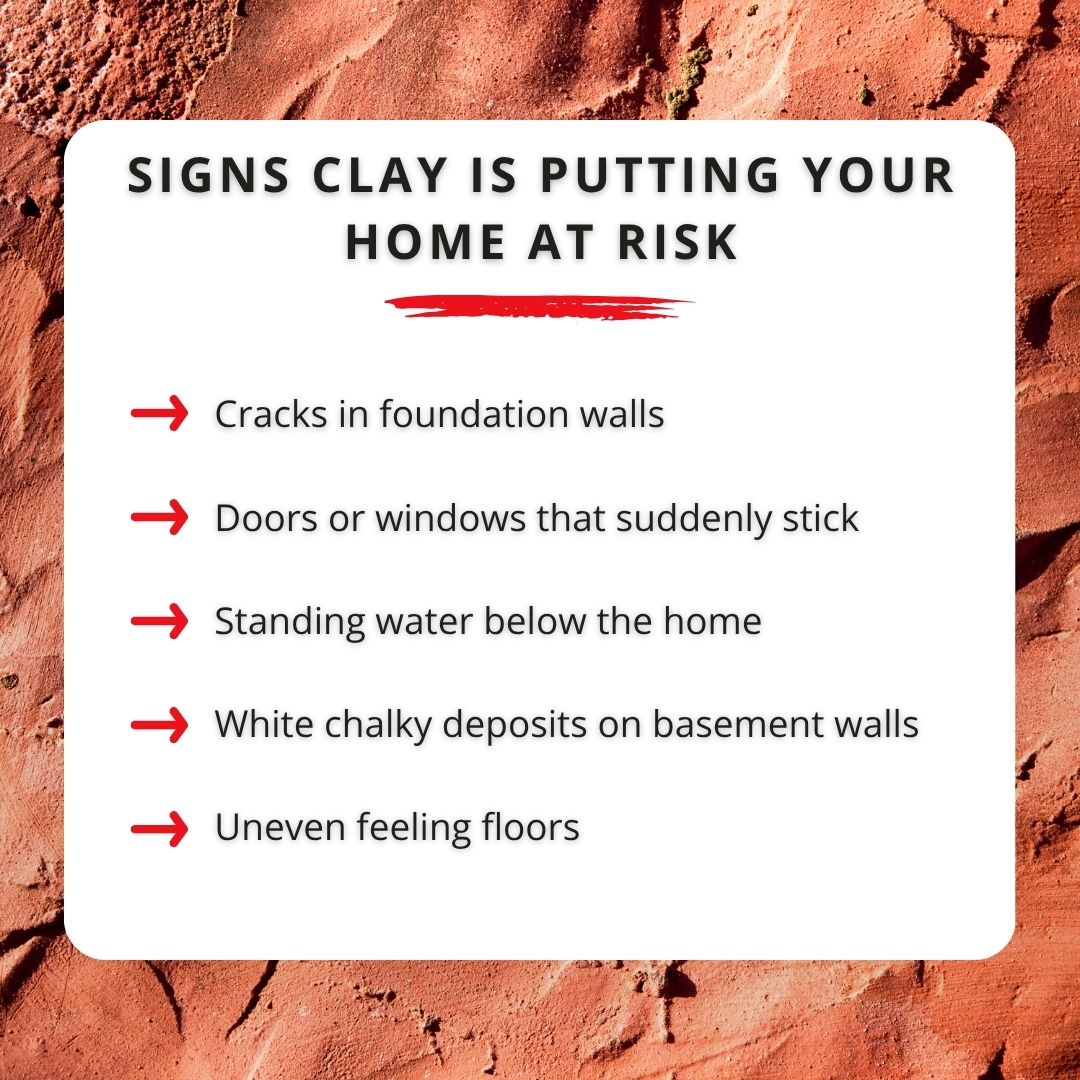
Call a professional inspector if you notice horizontal or diagonal cracks in a foundation wall, doors or windows that suddenly stick without explanation, moisture or standing water in a crawl space or basement, white mineral deposits on foundation walls, visible erosion near the home’s perimeter, or floors that feel uneven in ways they previously did not.
In Georgia’s red clay environment, small foundation and drainage problems can escalate relatively quickly. A crack that is still narrow today can widen across a full Georgia summer. Moisture that shows up as a damp spot in spring can develop into wood rot by fall. Getting a professional evaluation early is almost always less expensive than waiting until the problem forces the issue.
At Harmony Home Inspection Services, we have been serving metro Atlanta and North Georgia homebuyers and sellers since 2004. We know what red clay does to homes in this region and what to look for during a home inspection that gives you an honest picture of where your home stands. Whether you are buying, selling, or staying ahead of your home’s maintenance, we are here to help.
Conclusion
Georgia red clay is a permanent feature in metro Atlanta and North Georgia, significantly impacting the long-term health of homes. Its cycle of expanding when wet and contracting when dry places ongoing pressure on foundations, drainage systems, crawl spaces, and basements, often leading to issues over time.
Fortunately, most problems linked to red clay are manageable if caught early. Steps like extending downspouts, maintaining proper grading, keeping vegetation away from foundations, and monitoring for interior warning signs can help prevent damage. When issues arise, seeking a professional evaluation promptly is usually more cost-effective.
Since 2004, Harmony Home Inspection Services has been inspecting homes across metro Atlanta and North Georgia. We understand how red clay affects homes through the seasons, foundation cracks, and crawl space moisture, and we provide honest assessments to help you protect your investment, whether buying, selling, or maintaining your home