Most homeowners invest significant time and money in making their homes comfortable, but few give serious thought to the invisible threats that quietly affect their families’ health every day. Health hazards in the home are more common than most people realize, and many of the most serious ones are completely undetectable without professional testing or specific knowledge of what to look for. Understanding what these hazards are and how to address them is one of the most important things a homeowner can do.
The Most Common Health Hazards Found in Homes
Homes of all ages and conditions can harbor health hazards, but older homes and those with moisture problems tend to pose the highest risk. The most prevalent include poor air quality, mold and moisture, lead and asbestos in older building materials, radon gas, and chemical exposure from everyday products. What makes these hazards particularly concerning is that most cause gradual harm rather than immediate symptoms, meaning families may be exposed for months or years before connecting health problems to their home environment.
Indoor Air Quality Risks
Radon is consistently one of the most serious and most overlooked health hazards in residential homes. This naturally occurring radioactive gas seeps through foundation cracks, crawl spaces, and construction joints. Because it’s completely colorless and odorless, there’s no way to detect its presence without testing. Radon is the second leading cause of lung cancer in the United States, responsible for approximately 21,000 deaths annually. The EPA recommends that every home be tested, and mitigation systems are highly effective when elevated levels are found.
Indoor air quality is compromised by a range of additional health hazards in poorly ventilated homes. Dust mites, pet dander, and mold spores trigger respiratory issues and allergies. Volatile organic compounds released by paints, adhesives, and cleaning products introduce chemical pollutants that linger long after application. Carbon monoxide from gas appliances, fireplaces, and attached garages is one of the most acutely dangerous health hazards in any home, colorless, odorless, and potentially fatal at high concentrations. Every home should have working carbon monoxide detectors on every level.
Mold and Moisture Health Hazards
Mold is one of the most pervasive health hazards in residential properties and one of the most frequently underestimated. It thrives wherever moisture accumulates, behind walls, under flooring, in crawl spaces, and in poorly ventilated bathrooms, and can grow extensively before becoming visible. Exposure causes respiratory symptoms, allergic reactions, and more serious effects for children, elderly occupants, and those with compromised immune systems. Addressing the underlying moisture source is essential. Cleaning surface mold without eliminating the cause only delays its return.
Lead, Asbestos, and Older Home Health Hazards
Lead-based paint remains a significant health hazard in homes built before 1978, when its residential use was banned. Intact lead paint poses limited risk, but paint that’s peeling, chipping, or disturbed during renovation releases lead dust that is particularly dangerous for young children, for whom even low levels of exposure could cause irreversible developmental and neurological damage. Homes built before 1978 should be tested before any renovation work that disturbs painted surfaces. Asbestos is another concern in pre-1980s homes, where it was commonly used in insulation, floor tiles, and ceiling materials. Undisturbed asbestos generally poses limited risk, but damaged or deteriorating materials can release fibers that cause serious lung disease. Professional testing and certified abatement are the only appropriate responses when asbestos is suspected.
Reducing the Chemical Load in Your Home
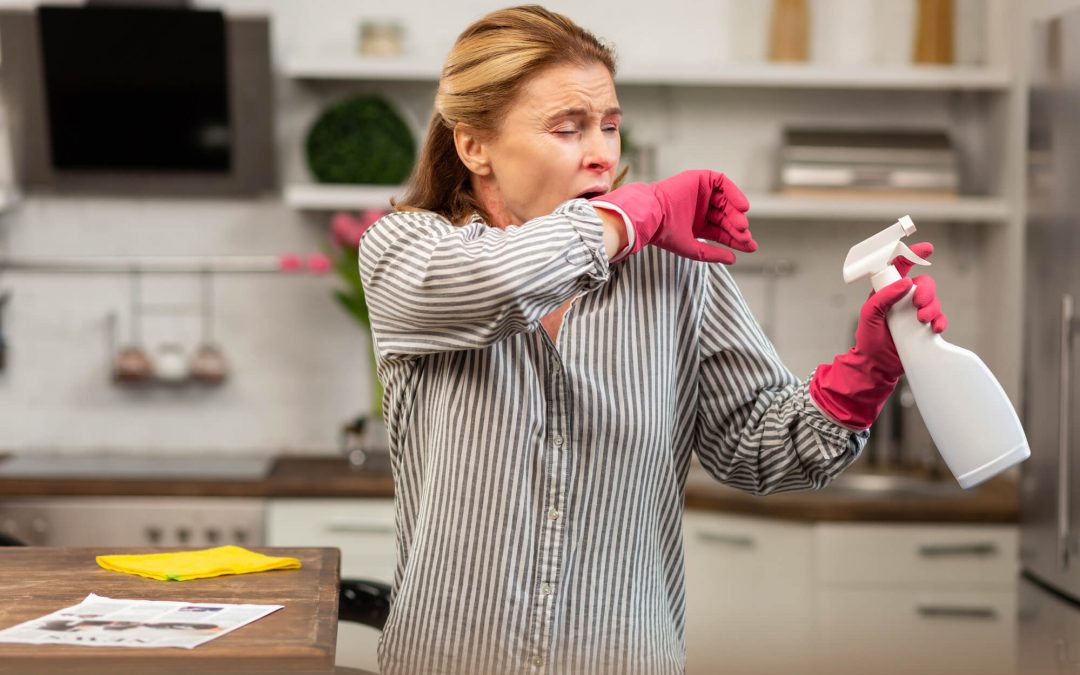
The products used inside the home contribute to health hazards in ways most homeowners don’t fully appreciate. Conventional cleaning products, pesticides, and many building materials contain compounds that off-gas into the indoor environment over time. Choosing low-VOC paints, natural cleaning products, and certified low-emission materials significantly reduces the ongoing chemical load in your home. Addressing hazards is fundamentally about awareness and proactive action. Testing for radon, inspecting regularly for moisture and mold, understanding what materials may be present in older homes, and making conscious choices about the products you bring inside are all practical steps that meaningfully protect your family’s health for the long term.
Frequently Asked Questions (FAQs)
What are the most serious health hazards found in homes?
Radon gas, carbon monoxide, mold, lead-based paint, asbestos in older building materials, and poor indoor air quality from VOCs and biological pollutants are consistently the most significant.
How do I know if my home has radon?
The only way to know your home’s radon level is to test for it.
Is mold always visible in a home?
No, mold frequently grows behind drywall, under flooring, and inside wall cavities where it’s completely invisible. A persistent musty odor, unexplained respiratory symptoms that improve when away from home, or a history of water intrusion are all indicators that hidden mold may be present.
How dangerous is lead paint in older homes?
Lead paint that is intact and undisturbed poses a limited risk. The danger arises when paint deteriorates or is disturbed during renovation, releasing lead dust that is particularly harmful to children under six.
What can I do to reduce health hazards in my home right now?
Test for radon, install carbon monoxide detectors on every level, address any sources of moisture or mold promptly, improve ventilation in kitchens and bathrooms, and switch to low-VOC or natural cleaning products. These steps address the most common and most impactful health hazards in the majority of residential homes.
Harmony Inspection Services provides home inspection services in the Atlanta Metro area. Contact us to schedule an inspection today!