If you live in metro Atlanta, you already know the answer feels like forever. Every spring, a thick yellow blanket settles over cars, driveways, and porches from Cumming to Lawrenceville.
But pollen season in Georgia is more than a seasonal inconvenience. It has a real impact on your home’s indoor air quality, your HVAC system’s performance, and your home’s long-term condition. Here is what every Greater Atlanta homeowner should know.
Georgia’s Pollen Season
Pollen season in Georgia lasts far longer than most people expect. Allergy season can begin as early as January and run through late September or early October, meaning many Greater Atlanta homeowners get only a few weeks of true relief each year, typically in late November and December.
Georgia’s pollen season breaks down into three overlapping waves:
| Pollen Type |
Primary Sources |
Peak Season |
|---|---|---|
| Tree Pollen | Oak, pine, birch, elm, hickory | Late February through May |
| Grass Pollen | Bermuda grass, turf grasses | Late May through July |
| Weed Pollen | Ragweed, pigweed, sage | Late August through first frost |
Why It Matters for Your Home
Closing your windows does not end the exposure. Pollen enters through gaps in weatherstripping and insulation, on clothing and pets, and through your HVAC system’s outdoor intake. Indoor pollen levels can stay elevated for weeks after outdoor counts fall.
Pollen season also coincides with high humidity across Greater Atlanta, which accelerates moisture intrusion and mold spore growth in crawl spaces and around poorly sealed openings. Indoor allergens like mold spores and dust mites thrive in these conditions and compound seasonal allergy symptoms for many households.
How Pollen Season Affects Your HVAC System
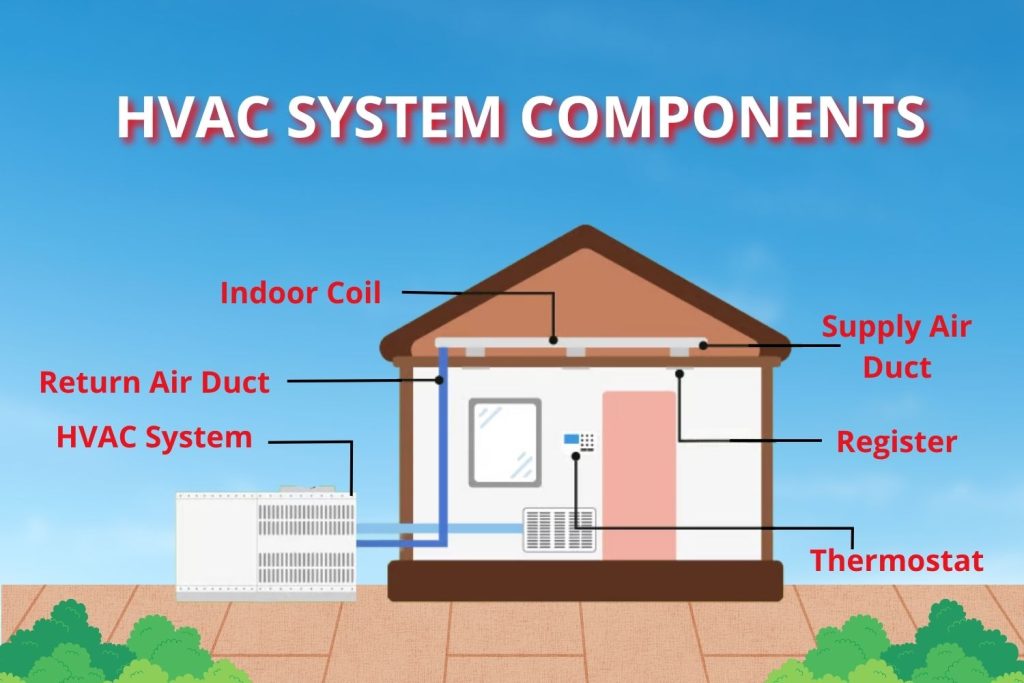
Your HVAC system functions as the lungs of your home. During pollen season, it works harder than at any other point in the year, and without proper maintenance, it ends up circulating the very pollutants it is meant to filter out. Here is how that damage typically unfolds.
1. The Filter Gets Overwhelmed
Your air filter is your system’s first line of defense against airborne particles, including pollen. During peak pollen months, filters can become clogged within weeks or even days. A clogged filter restricts airflow, forcing your system to run longer and harder. Replacing a clogged filter can improve energy efficiency by up to 15%, according to the Department of Energy.
Upgrading to a pleated filter with a MERV rating between 8 and 13 significantly improves pollen capture without restricting airflow. HEPA filters offer even greater filtration for households with severe allergies, though system compatibility should be confirmed first.
2. Pollen Reaches the Evaporator Coil
When pollen bypasses the filter, it coats the evaporator coil, which is cold and slightly damp during operation. A dirty coil reduces your system’s ability to absorb heat and humidity, causing it to run longer, comfort to drop, and energy bills to climb.
3. The Outdoor Condenser Takes a Hit
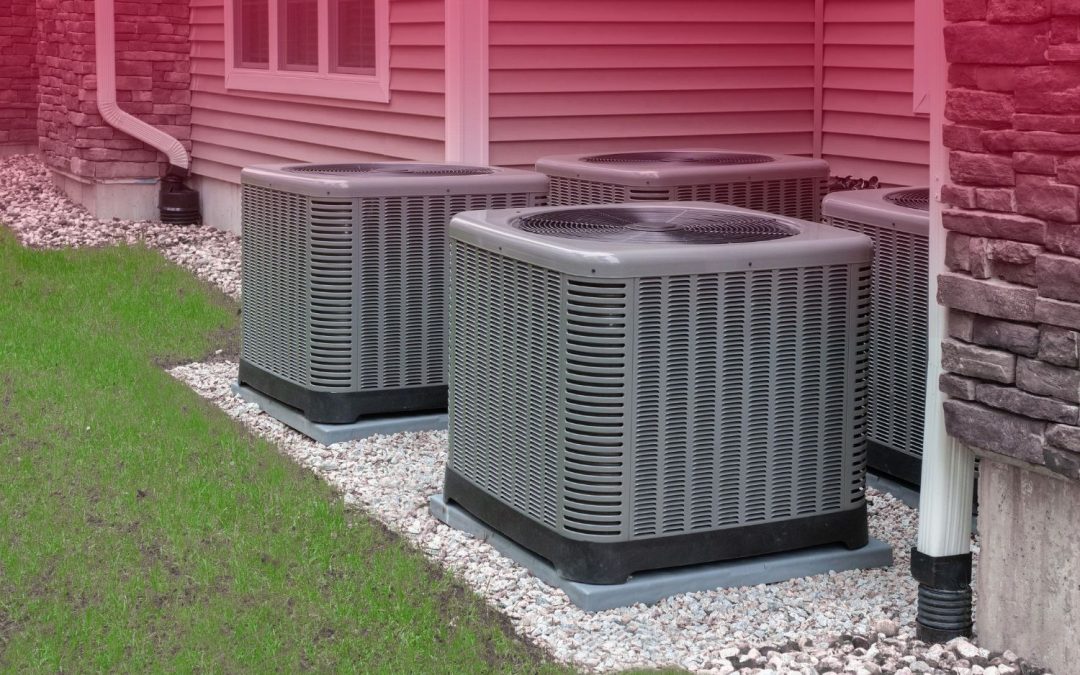
The outdoor condenser sits directly in the path of Georgia’s pollen surge. When condenser coils become coated in pollen and debris, your system works significantly harder to release heat efficiently. A spring tune-up, including condenser cleaning before summer, is one of the highest-value maintenance steps Atlanta homeowners can take.
4. Ductwork Accumulates Over Seasons
Pollen that makes it past the filter and coil settles inside your ductwork, building up over multiple seasons. This restricts airflow and contributes to indoor air quality problems in ways that are hard to detect without a professional inspection.
Tree Pollen Season and Its Impact
The tree pollen season is the most intense and most visible wave. In metro Atlanta, oak and birch trees are the primary culprits, with tree pollen counts peaking from late March into mid-April.
Atlanta consistently ranks among the worst cities in the country for allergy severity.
Pollen seasons are becoming longer and more intense nationwide, increasing by about 20 days since 1990 due to rising global temperatures and carbon dioxide levels, with milder winters and warm springs signaling plants to bloom earlier each year.
Grass and Weed Pollen Seasons
The grass pollen season follows as tree pollen begins to subside, peaking in June. Unlike tree pollen, grass pollen can break into tiny fragments that stay suspended in the air longer, making it especially aggravating for allergy sufferers. Then ragweed season arrives in late August and runs through the first frost.
Ragweed pollen is the most common pollen allergy in the United States, affecting at least 23 million people, and a single ragweed plant can produce up to one billion grains of pollen per season. For homeowners in Gainesville, Hoschton, Winder, and Buford, the timing is similar, though North Georgia’s cooler elevations tend to start and end each wave slightly later than metro areas.
Rainfall can temporarily wash pollen out of the air, but often leads to more robust plant growth and higher pollen counts in the days that follow. Windy days significantly increase pollen spread and worsen allergy symptoms for those already sensitive. Dry, warm stretches after a rain are often when counts spike highest.
Protecting Your Home and HVAC During Pollen Season
A few targeted steps before and during pollen season go a long way. Some are quick HVAC maintenance habits, while others require a professional eye.
Quick habits that help:
- Change your air filter monthly from March through May. Check pleated filters at 60 days and replace if visibly coated.
- Keep windows and doors closed on high-pollen days and avoid window fans, which draw pollen directly inside.
- Plan outdoor activities for late afternoon or after rainfall, when pollen levels tend to be lower.
- Keep indoor humidity between 30 and 50 percent to reduce conditions that allow mold spores and dust mites to thrive.
Related Questions to Explore
- Does pollen season affect indoor air quality even with windows closed? Yes. Closing windows is helpful, but pollen often enters through a ‘leaky’ building envelope. During a home inspection, we look for common entry points like failed window seals, gaps in door weatherstripping, and cracks in siding or trim. Identifying these structural defects is the first step in ensuring your home acts as a proper barrier against seasonal allergens.
- How can I tell if pollen has damaged my HVAC system? You can often tell pollen has affected your HVAC system if it runs longer than usual, energy bills increase without explanation, airflow feels weaker, or allergy symptoms are worse indoors than expected. A dirty filter, visible buildup on the condenser, or a musty smell from vents are common indicators. A professional inspection can confirm whether coil buildup, ductwork accumulation, or restricted airflow is the underlying issue.
- When is the best time to schedule a home inspection around pollen season? The best time is just before pollen season begins or immediately after peak season in late spring. A pre-season inspection identifies HVAC vulnerabilities, building envelope gaps, and moisture issues before pollen makes them worse. A post-season inspection catches damage that accumulated during high-pollen months, including mold growth and coil buildup.
- Can pollen season contribute to mold problems in a Georgia home? Yes, pollen season can contribute to mold problems in Georgia homes. High humidity and pollen settling in damp, poorly ventilated areas, including crawl spaces and attics, can accelerate mold spore growth. Homes with pre-existing moisture issues are especially vulnerable during the spring pollen and humidity overlap.
When to Call a Professional
Pollen season places significant stress on your home and HVAC system, often causing issues that aren’t visible during a routine walkthrough. Scheduling a professional home inspection in spring, either before or after peak pollen season, helps identify where pollen and moisture infiltrate your home and what your HVAC system needs to operate efficiently through spring and summer.
At Harmony Inspection Services, our comprehensive inspections cover your HVAC system, building envelope, attic, and crawl space—the areas most impacted by Georgia’s pollen and humidity. Key professional services include:
- Spring HVAC inspection: Cleaning coils, checking refrigerant, and assessing the full system to catch pollen-related damage early.
- Building envelope assessment: Detecting gaps around plumbing, HVAC ducts, and weatherstripping where pollen enters, so vulnerabilities can be addressed before the next season.
- Crawl space and attic evaluation: Identifying hidden moisture and mold issues driven by pollen accumulation before they become serious problems.
If you haven’t had a recent inspection, spring is the ideal time to schedule one and prepare your home for the extended pollen season ahead.
Get Ready for Pollen Season
Pollen season in Georgia lasts long enough to affect your health, your home, and your HVAC system in ways that build up quietly over time. With the right preparation and the right inspection team, you can stay ahead of it.
Harmony Inspection Services has been helping homebuyers and homeowners across metro Atlanta, Lawrenceville, Hoschton, Winder, Gainesville, Cumming, and Buford understand the true condition of their homes since 2004.
Schedule your inspection today and go into pollen season with confidence.