Your HVAC system is one of the hardest-working and most expensive systems in your home. Regular HVAC maintenance is the difference between a system that runs efficiently for 20-plus years and one that fails prematurely on the hottest day of summer or the coldest night of winter. The good news is that most of what keeps an HVAC system running well is straightforward, affordable, and well within reach of any homeowner willing to stay on top of it.
Why HVAC Maintenance Is One of the Best Investments You Can Make
A well-maintained HVAC system doesn’t just last longer; it performs better and costs less to run. Dirty filters, clogged coils, and neglected components force the system to work harder, driving up energy bills month after month. A poorly maintained system can consume 25 percent or more energy than a properly maintained one, a difference that adds up to hundreds of dollars annually. Beyond efficiency, regular HVAC maintenance is your early warning system. A technician who services your system annually can identify a failing capacitor, a refrigerant leak, or a heat exchanger crack before it becomes a catastrophic failure. The cost of a maintenance visit is a fraction of the cost of an emergency repair or full system replacement.
Change Your Filter — More Often Than You Think
If there’s one HVAC maintenance task that delivers the most return for the least effort, it’s changing the air filter consistently. A clogged filter restricts airflow, forces the blower to work harder, reduces efficiency, and in severe cases may cause the system to overheat or freeze up entirely. How often you need to change depends on your filter type and household conditions. A basic filter in a home without pets may need replacing every 30 to 60 days. A high-efficiency pleated filter in a home with multiple pets may need monthly changes. The general rule is to check monthly and replace whenever it looks dirty rather than waiting for a fixed calendar interval. Keeping spare filters on hand removes any excuse for letting this slip.
Keep Outdoor Units Clear and Clean
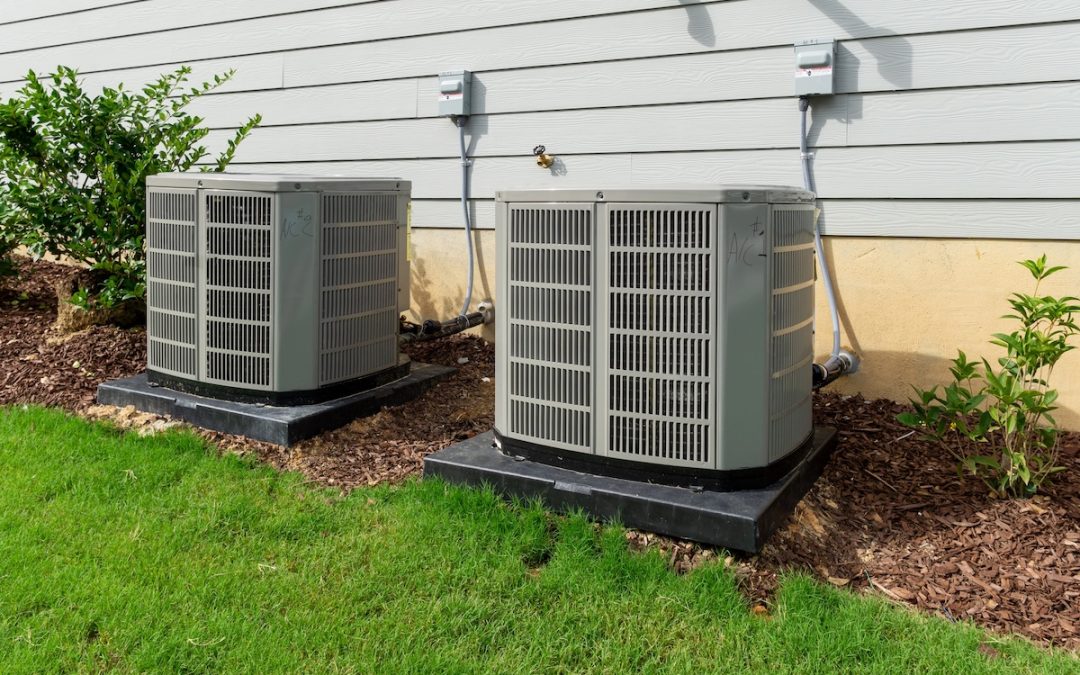
Your outdoor condenser unit plays a critical role in the cooling cycle and deserves regular attention as part of any HVAC maintenance routine. Grass, leaves, and debris accumulate around and inside the unit over time, restricting airflow and reducing efficiency. Keep a two-foot clearance around the unit on all sides and trim back vegetation that encroaches over the season. At the start of each cooling season, turn off power to the unit and gently rinse the condenser fins with a garden hose from the inside out to remove debris. Never use a pressure washer, the fins are delicate and bend easily. Check that the unit sits level on its pad, as settling affects performance and drainage. In winter, a breathable cover protects the unit from falling debris and ice. Avoid plastic covers that don’t allow ventilation, as trapped moisture leads to corrosion.
HVAC Maintenance Scheduling: When to Call a Professional
While homeowners can handle filter changes and basic outdoor unit care, professional HVAC maintenance is non-negotiable for keeping your system in top shape. A qualified technician brings tools, expertise, and access to components that no DIY routine can replace. Schedule professional service twice a year, spring to prepare the cooling system for summer, and fall to tune up the heating system before winter. During a visit, a technician will check refrigerant levels, inspect electrical connections, test capacitors, clean coils, measure airflow, and test the thermostat for accuracy, checking that catch developing problems before they become emergencies. If your system is more than 10 years old, ask your technician to assess its overall condition each visit. Knowing where it stands helps you plan for eventual replacement rather than being caught off guard by a sudden failure.
Frequently Asked Questions (FAQs)
How often should I schedule professional HVAC maintenance?
Twice a year is the standard recommendation. Homeowners with older systems or those who run their HVAC year-round in extreme climates may benefit from more frequent attention. Annual service at a minimum is strongly advised for any system, regardless of age or condition.
What happens if I skip HVAC maintenance for a year or two?
Skipping maintenance doesn’t mean immediate failure, but it accelerates wear and reduces efficiency. Dirty coils and filters make the system work harder. Small issues go undetected and worsen. Systems that miss regular maintenance consistently have shorter lifespans and higher repair costs. One missed year is recoverable; several missed years could significantly shorten a system’s useful life.
Can I do HVAC maintenance myself, or do I need a professional?
Homeowners can handle filter replacements, keeping outdoor units clear, and visually inspecting accessible components. But the core of meaningful HVAC maintenance requires professional tools and certification. Handle the basics yourself and leave the technical work to a licensed HVAC technician.
How do I know if my HVAC system needs repair rather than just maintenance?
Signs that your system needs more than routine maintenance include unusual noises like grinding or banging, inconsistent temperatures across rooms, a significant spike in energy bills, ice forming on the indoor or outdoor unit, and frequent short cycling. If you notice any of these, call a technician promptly rather than waiting for the next scheduled service.
What is the average lifespan of an HVAC system with proper maintenance?
A well-maintained central air conditioning system typically lasts 15 to 20 years. Furnaces and heat pumps with consistent HVAC maintenance can last 20 to 25 years. Systems that miss regular maintenance often fail significantly earlier.
Harmony Inspection Services provides home inspection services in the Atlanta Metro area. Contact us to schedule an inspection today!