
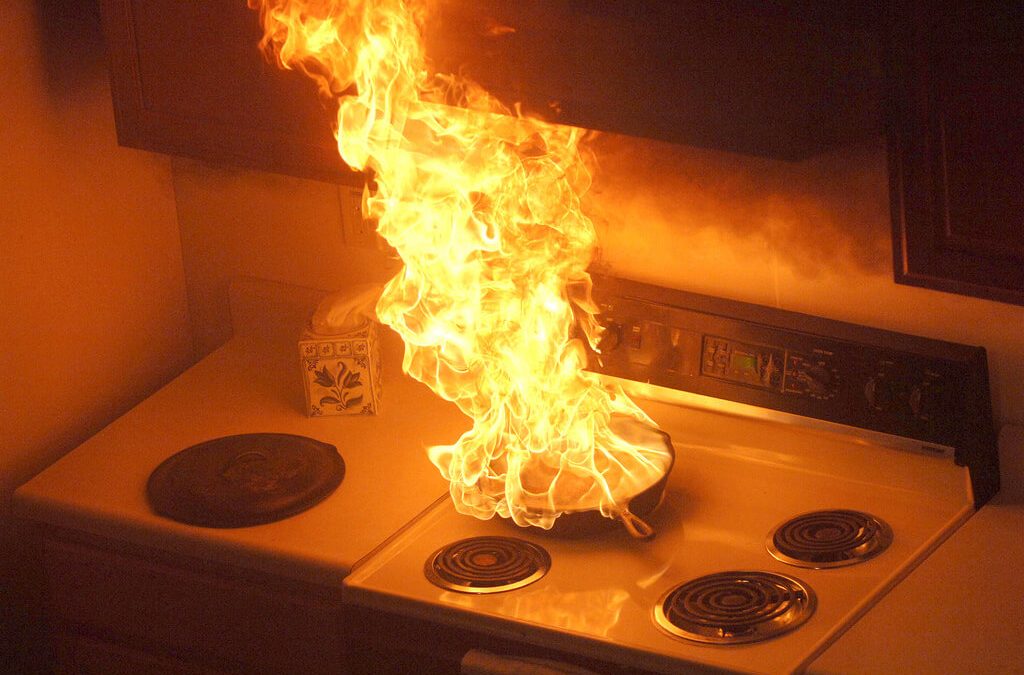
Home safety essentials are the category of homeownership that most people know they should address, and fewer actually do. A smoke alarm with a dead battery, a fire extinguisher that expired two years ago, and a carbon monoxide detector that was never installed are common gaps that are straightforward to close with a few hours of focused attention. Building a safe home doesn’t require significant expense. It requires knowing which safety essentials matter most and making sure each one is actually in place and functioning.
The Safety Essentials Every Home Should Have in Place
Household safety operates in layers, with different devices and measures that address different hazards and work together to protect the people most likely to face serious harm. The foundational safety essentials cover fire, carbon monoxide, falls, and emergency preparedness, and every home benefits from attention to all four. The most important characteristic of any safety essential is that it’s properly installed, maintained, and actually functional. A smoke alarm in the wrong location and a first aid kit not restocked in years both create a false sense of security that’s arguably worse than knowing the gap exists.
Smoke Detectors and Carbon Monoxide Detectors
Smoke detectors are the safety essential with the most documented life-saving impact in a residential home. The NFPA finds that the risk of dying in a home fire is more than twice as high in homes without working smoke alarms. Working is the keyword. The NFPA recommends smoke detectors in every bedroom, outside every sleeping area, and on every level, including the basement. Interconnected alarms, where triggering one activates all, provide the fastest warning throughout the home. Test every detector monthly, replace batteries annually, and replace the unit itself every ten years. Carbon monoxide detectors are the safety essential homeowners most frequently skip. CO is invisible and odorless, making it easy to overlook as a risk, but CO poisoning from malfunctioning gas appliances and attached garages causes hundreds of deaths annually. Install CO detectors on every level and within fifteen feet of each sleeping area. Test them monthly and replace every five to seven years.
Fire Extinguishers and First Aid Safety Essentials
A fire extinguisher is a safety essential that most homeowners maintain correctly. At a minimum, one extinguisher rated ABC, covering flammable materials, liquids, and electrical fires, should be mounted in the kitchen, where most residential fires originate. Additional extinguishers in the garage and on each floor provide meaningful added coverage. Check your extinguisher monthly to confirm the pressure gauge reads in the green zone and the pin and tamper seal are intact. Have it professionally inspected annually and replaced or recharged after any use. A well-stocked first aid kit earns its place through countless minor injuries and the difference it can make before emergency services arrive. Store it in a central, accessible location known to all household members. Restock used items promptly, check expiration dates annually, and ensure the kit includes bandages, sterile gauze, antiseptic, medical tape, scissors, tweezers, and a thermometer.
Household Safety Essentials Beyond the Basics
Falls are the leading cause of home injury fatalities. Secure handrails on all staircases, non-slip treads on steps that could become slippery, and adequate lighting at the top and bottom of every staircase are fall-prevention safety essentials that cost little and matter daily. Electrical safety essentials include GFCI outlets in all wet areas, bathrooms, kitchens, garages, and exterior locations, where water contact with an electrical circuit creates shock risk. GFCI protection is required by modern code and is relatively inexpensive to retrofit. Test GFCI outlets monthly using the built-in test and reset buttons.
Frequently Asked Questions (FAQs)
How often should I test my smoke and carbon monoxide detectors?
Both should be tested monthly using the test button. Replace batteries once a year. Even hardwired detectors have battery backup needing annual replacement. Replace smoke detectors every ten years and CO detectors every five to seven years; manufacturing dates are printed inside each unit.
Where should I store a fire extinguisher for the best coverage?
Mount the kitchen extinguisher near the exit rather than next to the stove, where a fire might block access. Eye level, visible, and accessible is the most effective placement. Additional extinguishers in the garage and on each floor provide better coverage than a single unit.
What safety essentials should I prioritize if I have young children at home?
Stair gates at both the top and bottom of staircases, outlet covers, cabinet locks on hazardous storage, window guards on upper-floor windows, and anti-tip straps on heavy furniture all address the risks most likely to seriously injure young children. Smoke and CO detectors near children’s sleeping areas are equally critical.
Do I need a carbon monoxide detector if I don’t have gas appliances?
Yes, if you have an attached garage, oil-burning furnace, fireplace, or any combustion appliance, CO is a potential hazard. Even all-electric homes with attached garages face CO risk from vehicles. The cost of a detector is minimal relative to the risk, and most fire safety professionals recommend CO detection in every home regardless of fuel type.
How do I know if my home’s safety essentials are actually up to code?
A home safety inspection or a conversation with your local fire marshal’s office is the most reliable way to confirm compliance. Requirements vary by jurisdiction, particularly around interconnected smoke alarms, CO detector placement, and GFCI requirements.
Harmony Inspection Services provides home inspection services in the Atlanta Metro area. Contact us to schedule an inspection today!