
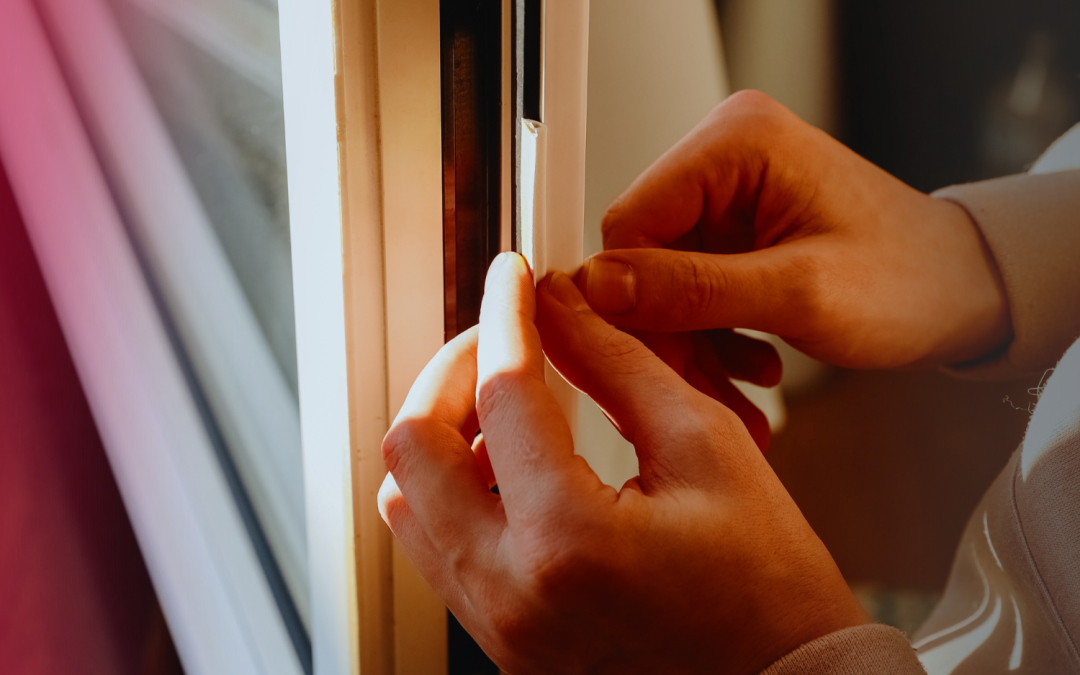
The simplest way to stay warm and lower heating costs this season is to insulate windows for winter with quick solutions like plastic window film, weatherstripping, and thermal curtains. These small steps help block drafts and keep warm air inside your home, even on the coldest days.
This guide explains how to insulate windows for winter using easy, affordable methods that work well for Atlanta homeowners. You will also learn how a home inspection can uncover hidden energy issues around your windows, insulation, and HVAC system.
Why Insulating Windows for Winter Matters
Atlanta may not see heavy snow, but chilly nights and cold fronts can still make a home uncomfortable.
Many houses in the area lose warmth through older windows, thin seals, and gaps around frames. When heat escapes, your HVAC system has to work harder, which raises energy bills.
Insulating your windows helps:
- Reduce cold drafts
- Improve indoor comfort
- Lower monthly heating costs
- Ease the strain on your HVAC system
- Keep rooms at a more stable temperature
For homeowners with older homes or mixed window types, these small insulation tricks can make a noticeable difference. Harmony Inspection Services also helps homeowners find deeper causes of heat loss during home inspections by evaluating windows, insulation, and HVAC performance.
What Causes Cold Drafts Near Windows in Winter?
Cold drafts usually come from small gaps that allow outdoor air to sneak inside. These gaps often develop slowly over the years and are not always easy to see. Even newer homes can experience drafts if installation was rushed or the materials have expanded and contracted over time.
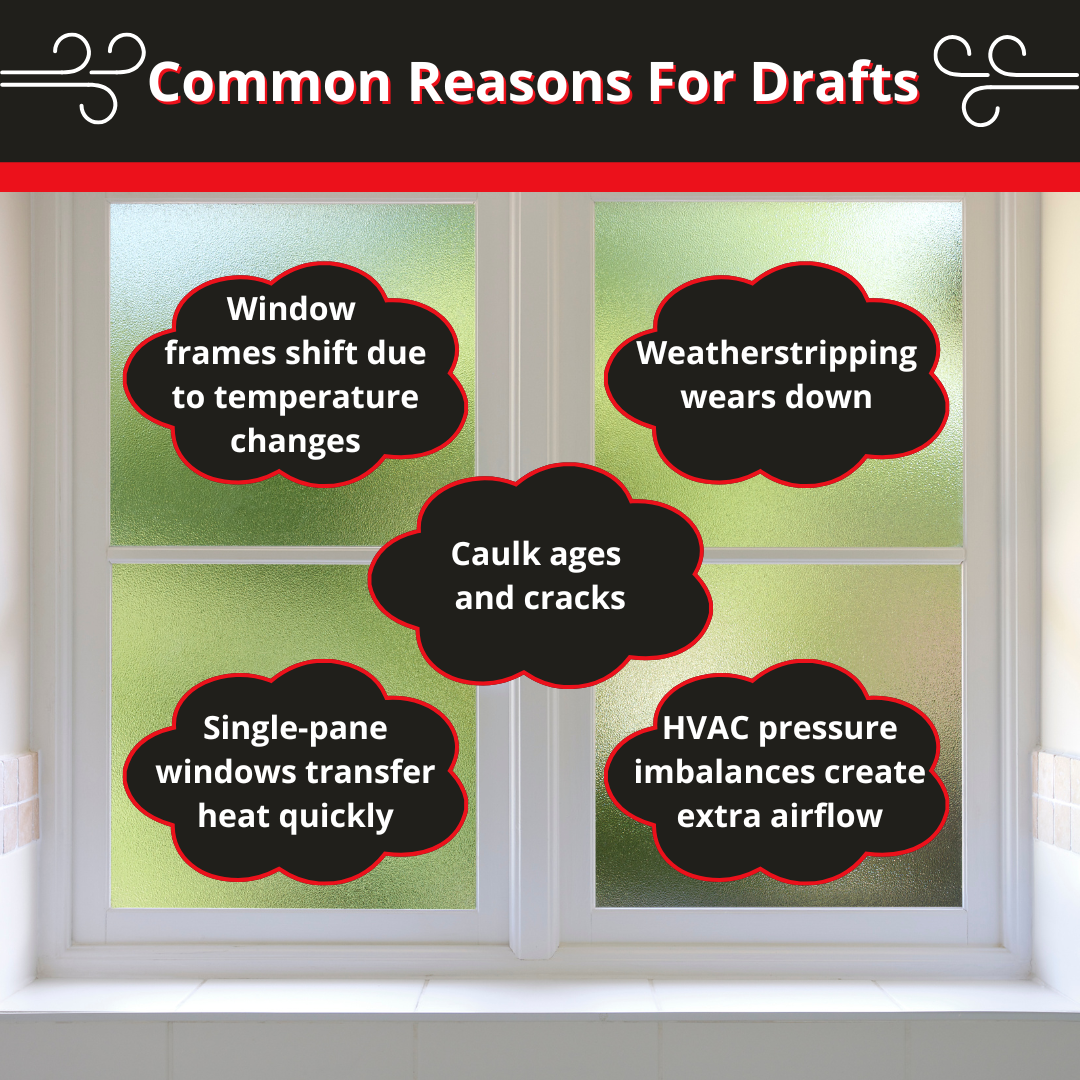
Common Reasons for Drafts
- Window frames shift with temperature changes
- Caulk ages and cracks
- Weatherstripping wears down
- Single-pane windows transfer heat quickly
- HVAC pressure imbalances create airflow at windows
If your home feels colder near certain windows, insulation tricks can help. But if several windows show the same problem, it may point to wider issues that a home inspection can identify.
How to Spot Window Drafts Before Winter Hits
Testing your windows for drafts before temperatures drop helps you fix issues early. These quick methods work well for any homeowner and require no special tools.
Easy Draft Detection Methods
Tissue test
Hold a tissue near the edge of the window. If it moves, outside air is entering.
Candle test
A candle flame will flicker when air leaks in through small openings.
Hand test
Move your hand around the frame and corners. Cold air will feel like a faint breeze.
Flashlight test at night
Have someone shine a flashlight along the frame from the outside. Light leaking through gaps shows weak seals.
Sound clues
Whistling or rattling noises on windy days often signal loose or aging windows.
Finding drafts early helps you choose the right insulation trick for each window. Harmony inspectors often see leaks around older wood frames, windows with aging glazing, and areas where insulation has shifted inside the wall.
Simple Tricks to Insulate Windows for Winter That Work Fast
Here are the most reliable, budget-friendly ways to insulate windows for winter and keep heat inside where it belongs. Each method improves comfort and can be installed in less than 20 minutes.
1. Use Clear Plastic Window Insulation Film
Window insulation film adds an invisible layer that stops cold air from entering. It also helps keep warm air from escaping through thin or older glass.
How to Install Window Film
- Clean the window frame so the tape sticks well.
- Apply the included double-sided tape around the frame.
- Press the plastic film onto the tape.
- Use a hair dryer to shrink the film until smooth and tight.
Benefits
- Creates an extra insulation layer
- Easy to install and remove
- Good for renters and homeowners
- Reduces heat loss without replacing windows
Window film is often the fastest and most effective trick for drafty windows.
2. Seal Gaps Around the Window Frame
Even a small gap around a window frame can let in a surprising amount of cold air. Sealing these gaps is one of the simplest and most cost-effective ways to insulate windows for winter.
Best Options for Sealing Gaps
- Silicone caulk for long-lasting seals
- Latex caulk for areas that need painting
- Peel and stick weatherstripping for small, movable gaps
- EPDM rubber strips for older windows with wear
Where Gaps Commonly Form
- Corners of the frame
- Where the trim meets the wall
- Inside the tracks of sliding windows
- Around older wood frames that have shifted with age
This small improvement can cut air leakage by up to 30 percent based on general home energy testing data.
3. Add Thermal Curtains to Reduce Heat Loss
Thermal curtains help block cold air near windows and keep warmth inside the room.
Why Thermal Curtains Work
- Thick fabric traps heat inside
- Helps rooms stay warm longer
- Reduces the chill often felt near large windows
- Adds a cozy look to your home during winter
Thermal curtains are especially helpful in living rooms with large windows or bedrooms that feel cold at night.
4. Apply Temporary Draft Stoppers or Foam Strips
Draft stoppers are placed along the bottom edge of a window to keep cold air from slipping underneath. Foam strips stick directly to the sides or top of the frame for a tighter seal.
These Work Well For
- Renters
- Older homes
- Rooms that get cold first
- Quick improvements before winter weather arrives
Draft stoppers and foam strips are very affordable and easy to install without tools.
Window Insulation Options
|
Method |
Cost |
Skill Level |
Best For |
Expected Impact |
|
Plastic window film |
Low |
Easy |
Renters and older windows |
High |
|
Weatherstripping |
Low to moderate |
Easy |
Gaps around frames |
High |
|
Thermal curtains |
Moderate |
Easy |
Large or drafty windows |
Medium to high |
|
Draft stoppers |
Low |
Very easy |
Quick fixes and renters |
Medium |
|
Window replacement |
High |
Pro required |
Damaged or old windows |
Very high |
Should You Install Window Kits or Upgrade Windows
Some windows need more than simple insulation steps. If sealing or film does not help, issues like internal moisture, damaged frames, or old glass may be the cause.
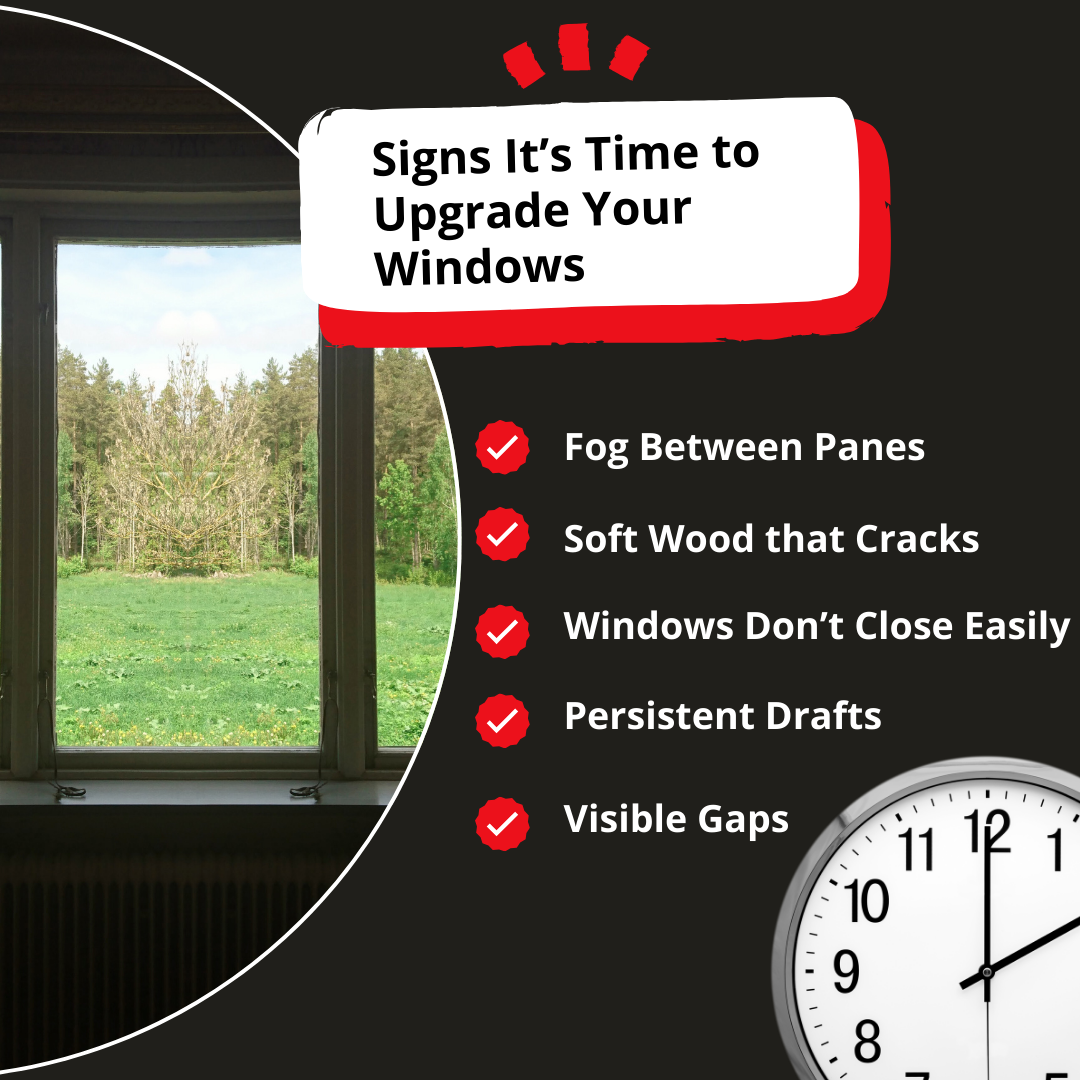
Signs It May Be Time for an Upgrade
- Fog or condensation between panes
- Soft wood that bends or cracks
- Windows that do not open or close smoothly
- Persistent drafts even after sealing
- Visible gaps between glass and frame
Interior window kits are great for short-term use, but long-term comfort often comes from repairing or replacing windows that are worn out or damaged. A home inspection helps you understand whether insulation tricks are enough or whether you need deeper repairs.
How a Home Inspection Improves Winter Energy Efficiency
A home inspection is one of the best ways to find out why your home feels cold, even after insulating windows for winter. Harmony Inspection Services looks beyond the window itself to see how your whole home is performing.
During an inspection, we check:
- HVAC efficiency and airflow
- Insulation levels in key areas
- Window seals, frames, and glazing
- Attic ventilation
- Moisture problems around windows
- Wall gaps or insulation shifts
Cold rooms are often caused by poor airflow or uneven heating. During inspections, Harmony frequently finds that rooms with drafty windows also have issues with duct leaks, aging HVAC units, or insulation problems in nearby walls.
These hidden problems can cause warm air to escape faster than your windows can hold it in. Fixing them leads to better comfort all winter long.
Common Mistakes When You Insulate Windows for Winter
Not every quick fix works the way homeowners expect. Some mistakes can reduce comfort or even cause damage.
Mistakes to Avoid
- Using tape or glue that removes paint or damages trim
- Covering windows that serve as emergency exits
- Creating a seal so tight that moisture builds up
- Forgetting to check the HVAC system for airflow issues
- Adding layers of insulation without addressing mold concerns
A small mistake is easy to fix, but knowing what to avoid helps your insulation efforts last longer.
Budget-Friendly vs Long-Term Solutions
Both quick fixes and long-term upgrades help insulate windows for winter, but each plays a different role.
Budget-Friendly Options
- Plastic film kits
- Weatherstripping
- Thermal curtains
- Draft stoppers
- Foam insulation strips
These budget-friendly options work well when your windows are in decent condition and mostly need extra support.
Long-Term Upgrades
- Double or triple pane windows
- New frames with improved seals
- Whole home air sealing
- Improved attic or wall insulation
- HVAC upgrades for consistent heating
A home inspection helps you understand which improvements offer the biggest benefit for your specific home.
Related Questions
What is the cheapest way to insulate windows for winter?
Plastic film kits and weatherstripping are the most affordable options with the biggest impact. Do not use glue or tape to seal windows.
How can I tell if my window insulation is helping?
Touch the area near the window on a cold day. If it feels warmer than before, the insulation is working and does not need to be replaced.
Why do older Atlanta homes lose heat so quickly?
Many older homes have single-pane windows, aging insulation, and older HVAC systems that lose warm air faster.
When should windows be replaced instead of being insulated?
If they are rotting, moldy, leaking, or letting in large drafts, replacement may be more cost-effective.
How can a home inspection improve energy efficiency?
Inspectors look at HVAC performance, window seals, insulation levels, and airflow to find issues you may not notice.
Conclusion
Simple tricks to insulate windows for winter can make your home warmer and more comfortable in just a few minutes. Small updates like window film, weatherstripping, and thermal curtains can lower drafts and help your home hold heat better.
If parts of your home still feel cold after these steps, deeper issues may be the cause. Harmony Inspection Services checks windows, insulation levels, and HVAC performance to help you understand where your home is losing energy and how to fix it.
Ready to get your home winter-ready? Schedule a home inspection with Harmony Inspection Services to find hidden energy leaks and improve comfort all season long.