
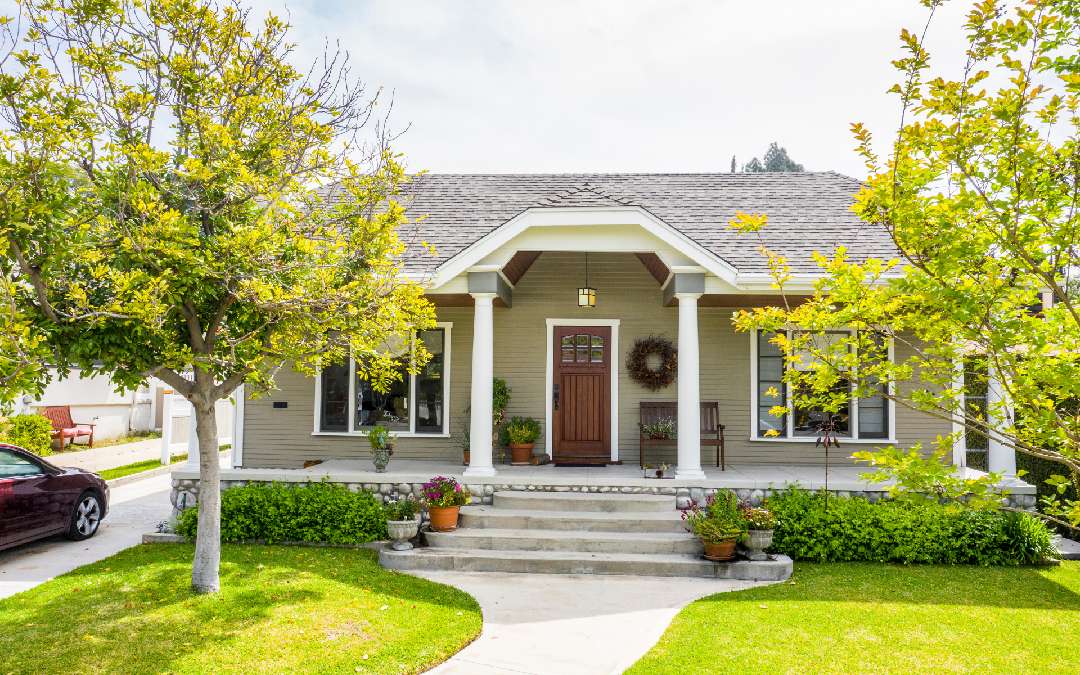
Exterior maintenance is essential for preserving the condition, safety, and appearance of a home. The outside of your property is constantly exposed to weather, temperature swings, and everyday wear, and without consistent attention, that exposure gradually takes a toll on every surface and system. Staying proactive helps prevent costly repairs, improves curb appeal, and ensures your home remains structurally sound for the long haul. With the right routine, even small efforts compound into significant protection for one of your most valuable assets.
Why Exterior Maintenance Matters More Than Most Realize
The exterior of a home is its first and most important line of defense against the elements. When roofing, siding, gutters, windows, and foundations are functioning properly, the interior stays dry, comfortable, and energy-efficient. When they’re not, the consequences can be serious and expensive. Water intrusion is one of the most common and damaging results of neglected exterior maintenance. A small roof leak, a clogged gutter, or a cracked window seal might seem minor in isolation, but left unaddressed, each one creates pathways for moisture to enter the home’s structure, eventually leading to rot, mold, and structural deterioration. Regular inspections allow homeowners to catch these issues while they’re still simple and affordable to fix.
Exterior Maintenance for Roofing and Gutters
The roof and gutter system work together as your home’s primary water management team. Inspect the roof at least twice a year and after any major storm. Look for missing or cracked shingles, lifted flashing around chimneys and vents, and any soft spots that indicate moisture damage in the decking. Catching a minor roofing issue early could prevent a full replacement down the road. Gutters should be cleaned at a minimum twice a year to ensure water flows freely and away from the foundation. Clogged gutters overflow and send water cascading down the siding and pooling at the base of the home. Ensure downspouts extend several feet from the structure and consider gutter guards if your home is surrounded by trees.
Caring for Siding, Walls, and Exterior Surfaces
Siding serves as both a protective barrier and a major contributor to the home’s appearance. Washing it annually removes dirt, mildew, and algae buildup that dulls the look and compromises the material over time. While cleaning, inspect for cracks, gaps, or areas where siding has pulled away from the structure, these vulnerabilities allow moisture to penetrate and cause hidden damage inside the wall assembly. Touch up caulking around windows, doors, and trim wherever gaps have developed, and address peeling paint before the materials beneath are exposed to further wear.
Windows, Doors, and Exterior Maintenance for Energy Efficiency
Windows and doors have a direct impact on both energy efficiency and moisture control. Worn weatherstripping, cracked caulking, and deteriorated seals allow drafts and water to infiltrate, increasing energy costs and creating conditions for damage in the surrounding framing. Inspect every window and door frame at least once a year and re-caulk wherever gaps have developed. These are inexpensive, straightforward fixes that pay for themselves quickly in reduced energy bills and prevent structural damage.
Landscaping, Drainage, and Seasonal Exterior Maintenance
The landscaping surrounding your home plays a larger role in exterior maintenance than most homeowners realize. Overgrown plants that contact siding or roofing create pathways for moisture and pests, while poor soil grading that directs water toward the foundation is one of the leading causes of basement moisture and cracking. Keep plants trimmed back from the structure and ensure the ground slopes away from the foundation to direct water safely away.
Each season also brings its own maintenance priorities. Spring is the time to assess winter damage and clear debris. Summer is ideal for painting, sealing, and completing repairs in dry conditions. Fall calls for gutter cleaning and sealing gaps before temperatures drop. Winter focuses on monitoring for ice dams and checking attic insulation. Approaching exterior maintenance seasonally makes the overall workload manageable and ensures nothing important gets overlooked.
Frequently Asked Questions (FAQs)
How often should exterior maintenance be performed?
A comprehensive inspection should be done at least twice a year, with seasonal tasks completed throughout the year.
What are the most critical areas to prioritize?
Roofing, gutters, siding, windows, and drainage systems are the highest priority because they work together to keep moisture out of the home.
Can consistent exterior maintenance increase home value?
Absolutely. A well-maintained exterior enhances curb appeal, signals to buyers that the property has been cared for, and prevents the deferred maintenance issues that reduce value and complicate sales.
What tasks can I do myself vs hiring a professional?
Cleaning gutters, caulking windows and doors, washing siding, and inspecting for visible damage are all manageable for most homeowners. Roof repairs, significant siding damage, foundation concerns, and any electrical work should always be handled by a licensed professional.
What happens if exterior maintenance is neglected?
Neglect typically leads to water intrusion, mold, rot, and in severe cases, structural deterioration.
Harmony Inspection Services provides home inspection services in the Atlanta Metro area. Contact us to schedule an inspection today!