
Common home concerns are the conditions that most homeowners encounter at some point in the life of a property. The ones that cause the most financial damage are almost always those that were noticed early and addressed late. The gap between noticing something and acting on it is where the most expensive home repairs are born. Understanding the most common home concerns, what they indicate, and when they warrant professional attention is the knowledge that keeps manageable problems from becoming major ones.
Cracks in Walls and Ceilings
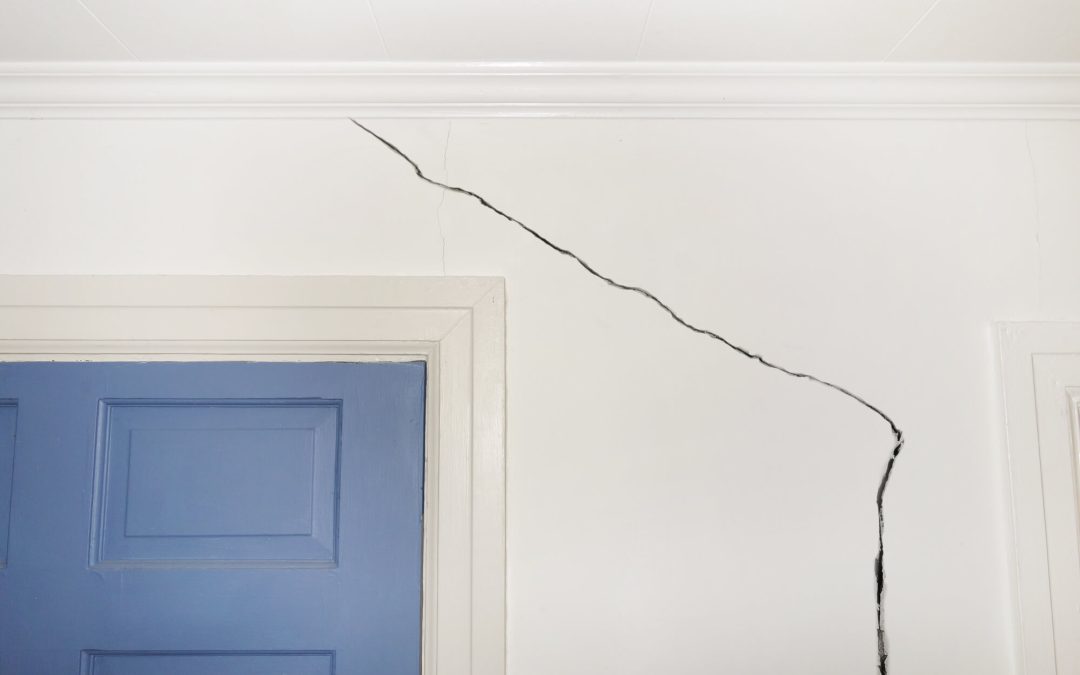
Cracks are among the most frequently observed and most frequently misunderstood home concerns. Not all cracks are equal, and knowing which type warrants concern and which represents normal movement is the starting point for any appropriate response. Hairline cracks in drywall, thin, shallow cracks that often appear at the corners of door and window frames, are among the most common home concerns in any house that has settled and experienced seasonal temperature and humidity cycling. These are typically cosmetic, the result of drywall compound shrinking and expanding with the home’s environment, and are easily patched. Cracks that are wider at one end than the other, that run diagonally from the corners of windows or doors, or that appear in a stair-step pattern along masonry are concerns that deserve closer evaluation. These patterns suggest differential settlement, meaning one part of the foundation has moved more than another, which may indicate drainage issues, soil movement, or foundation conditions worth professional assessment.
Water Stains and Moisture Indicators
Water stains on ceilings and walls are common home concerns that homeowners frequently minimize by assuming they’re from an old, resolved event. A stain with no clear origin, or one that darkens after rain events, indicates active moisture intrusion that is continuing to occur. Moisture indicators aren’t the stain itself; it’s what it represents: water moving through the building envelope or plumbing system in ways that, over time, create mold conditions and damage structural components. Tracing the source, whether a roof issue, plumbing leak, flashing failure, or exterior drainage condition, is the intervention that prevents a cosmetic issue from becoming a structural one.
Common Home Concerns Affecting Indoor Comfort
Rooms that are consistently too warm or too cold relative to the rest of the home, energy bills that have increased without explanation, and HVAC systems that run more frequently than they used to, all indicate the system is working harder than it should. These common home concerns trace to predictable causes: a clogged filter reducing airflow, duct leakage losing conditioned air before it reaches living spaces, insulation deficiencies allowing heat transfer through walls or the attic, or a system aging toward the end of its service life. Annual professional HVAC service addresses the equipment side. A home energy audit identifies the building envelope conditions, insulation, air sealing, duct integrity, that equipment service alone doesn’t resolve.
Plumbing Warning Signs That Become Expensive Common Home Concerns
Slow drains, reduced water pressure, water heater performance changes, and any visible evidence of water at pipe connections are the plumbing-related common home concerns most likely to escalate if not addressed. A slow drain in a single fixture suggests a localized blockage; slow drains throughout the home suggest a main line condition. Reduced pressure at a single fixture often indicates mineral buildup at the aerator; reduced pressure throughout the home can indicate a supply line issue or pressure regulator approaching failure. None of these conditions self-resolve, and most worsen at a rate that makes early attention consistently less expensive than delayed attention.
Frequently Asked Questions (FAQs)
How do I know if a wall crack is a structural or just cosmetic?
The pattern, width, and direction provide the most reliable indicators. Thin cracks at drywall seams and corners of openings are almost always cosmetic. Diagonal cracks running from corners of windows or doors, stair-step cracks in masonry, and cracks wider at one end are patterns associated with differential movement warranting professional evaluation. A crack that has visibly grown or changed direction is the clearest signal it’s no longer a cosmetic concern.
What should I do when I notice a water stain for the first time?
Determine whether it’s active or historical. Observe it after the next significant rain event or check the plumbing above it. A stain that darkens after rain indicates roof, flashing, or attic moisture intrusion; one that doesn’t change is more likely historical. Either way, identifying the source is the priority before any cosmetic repair.
How often should I have my HVAC system professionally serviced?
Annual professional service is the standard recommendation. This service includes cleaning coils, checking refrigerant, inspecting electrical connections, and confirming the system operates within specifications. Many HVAC-related concerns are detectable and correctable during routine service before they become equipment failures.
What causes low water pressure?
Low pressure at a single fixture is usually localized: mineral buildup at the aerator, a partially closed valve, or a failing fixture component. Low pressure throughout the home points to a supply line issue, pressure regulator failure, or in older homes, corrosion inside galvanized pipes that has narrowed the interior diameter. The latter is a more significant concern that warrants plumbing assessment.
When do common home concerns require a professional vs DIY attention?
The line generally falls at safety systems, structural components, and anything involving water, gas, or electrical connections. Patching a cosmetic drywall crack, replacing an aerator, and changing an HVAC filter are within DIY capability. Tracing active moisture intrusion, evaluating a crack pattern suggesting foundation movement, and diagnosing whole-home pressure issues are where professional assessment produces better outcomes in both diagnostic accuracy and quality of correction.
Harmony Inspection Services provides home inspection services in the Atlanta Metro area. Contact us to schedule an inspection today!