
A clogged kitchen sink can affect a home inspection when it shows signs of leaks, moisture damage, improper repairs, or long-term neglect. Inspectors look beyond slow drainage to determine whether the issue points to bigger plumbing or maintenance concerns.
A clogged kitchen sink may seem like a small inconvenience, especially if water still drains eventually. Many homeowners ignore it or try a quick DIY fix. During a home inspection, however, this issue often raises red flags that can affect inspection results, buyer confidence, and repair negotiations.
Below, we explain how clogged kitchen sink issues show up during home inspections, what inspectors look for, and how homeowners can avoid unnecessary problems before an inspection.
Why a Clogged Kitchen Sink Raises Concern During Inspections
Kitchen sinks experience heavy daily use. Grease, food particles, soap, and debris all pass through the drain regularly. Because of this, inspectors pay close attention to how the sink drains and what is happening underneath it.
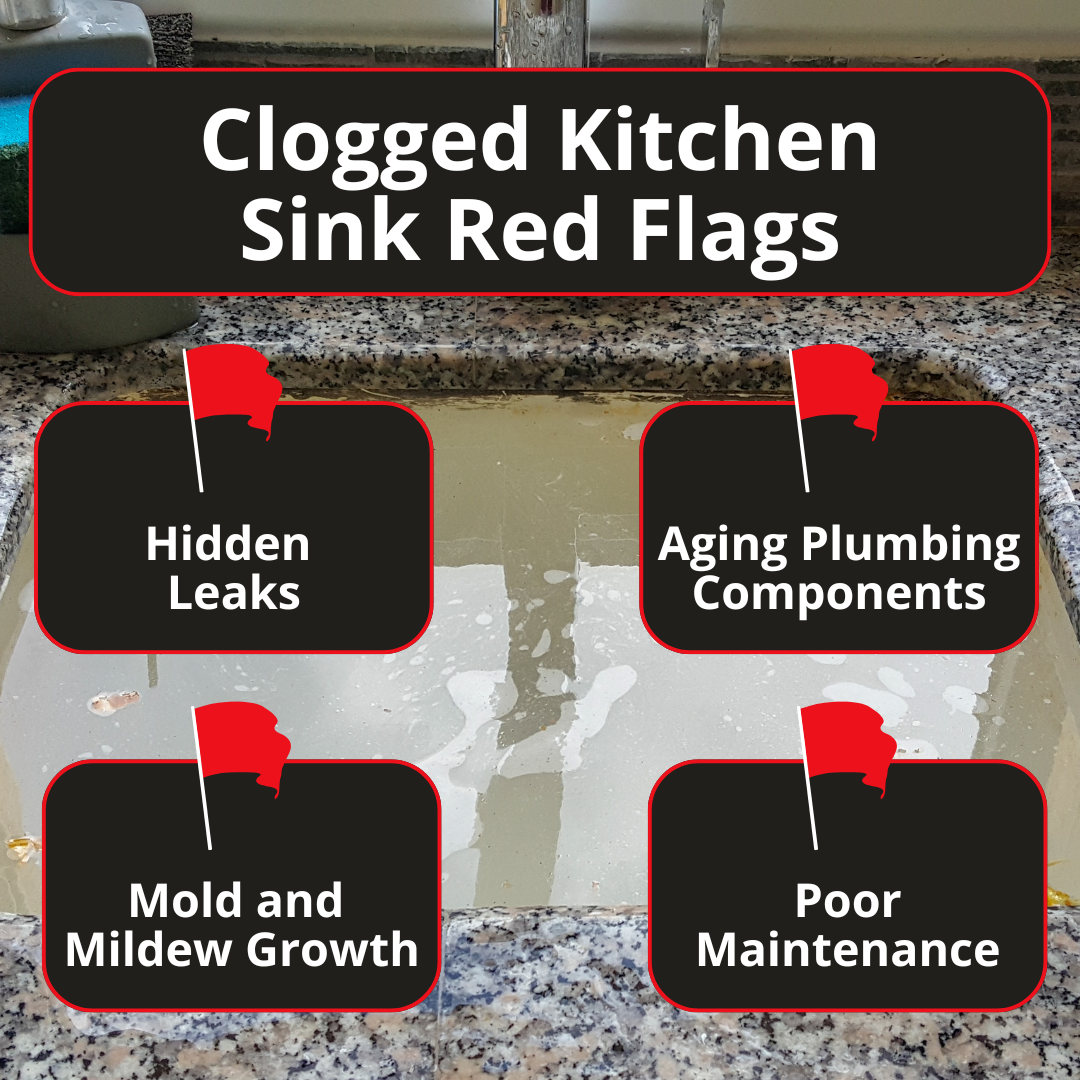
A Clogged Kitchen Sink May Indicate:
- Poor maintenance habits
- Improper or temporary repairs
- Hidden leaks, mold, or moisture damage
- Aging or deteriorating plumbing components
Inspectors are trained to look past surface-level symptoms. A slow drain is often a clue that something more serious is happening inside the plumbing system or behind the cabinet walls.
According to the American Society of Home Inspectors, plumbing defects are among the most commonly reported issues during home inspections. Kitchen sink drainage problems are frequently included in those findings.
How Ignoring a Clogged Kitchen Sink Impacts a Home Inspection
During a home inspection, inspectors assess how plumbing systems perform under normal use and look for conditions that suggest ongoing or unresolved issues. A clogged kitchen sink often stands out because it can reveal problems that extend beyond the visible drain.
Minor Clogs Can Become Documented Inspection Issues
When a clogged kitchen sink is ignored, the problem usually worsens. Grease and debris continue to build up inside the pipes, increasing pressure on fittings and joints.
During a home inspection, this can lead to documented issues such as:
- Slow or restricted drainage
- Evidence of prior leaks
- Active moisture under the sink
- Improper drain components
Even if the sink still functions, inspectors may note the condition if there are signs of long-term neglect.
Ignoring Clogs Often Leads to Further Evaluation Recommendations
Inspectors do not clear drains, but they do identify conditions that suggest deeper problems. If a clogged kitchen sink shows signs of damage, corrosion, or repeated repairs, the inspector may recommend further evaluation by a licensed plumber.
This can affect buyer confidence, slow negotiations, or require repairs before closing.
Commonly Flagged DIY No-Go’s
Many homeowners attempt to fix a clogged kitchen sink themselves before listing a home. Some of these fixes create additional concerns during inspections.
1. Chemical Drain Cleaners
Chemical drain cleaners are commonly used, but inspectors often flag damage linked to them. These products can:
- Corrode older metal pipes
- Weakened plastic piping over time
- Mask recurring clog issues
Inspectors may document corrosion, leaks, or pipe deterioration consistent with chemical use.
2. Improper P-trap Installations
The P-trap is designed to prevent sewer gases from entering the home. Common DIY issues include:
- Loose slip joints
- Incorrect pipe slope
- Mismatched or incompatible materials
These problems can lead to leaks, odors, and inspection notes.
3. Flexible or Accordion Drain Hoses
Flexible drain hoses are sometimes used as a quick solution. Inspectors often flag them because they trap debris easily and are frequently not code-compliant.
4. Temporary Patches and Sealants
Tape, putty, or sealants used to stop leaks are considered temporary repairs. Inspectors typically document these as defects because they do not address the underlying issue.
Signs a Clogged Kitchen Sink Has Been Ignored Too Long
Some warning signs of a clogged kitchen sink develop slowly and are easy to overlook during daily use. Home inspectors are trained to notice these early indicators because they often point to long-term plumbing or moisture problems rather than a simple clog.
When these signs are present, inspectors may document the issue and recommend repairs or further evaluation.
Visual and Physical Warning Signs Inspectors Look For
One of the first areas inspectors check is inside the sink cabinet. This space often shows damage long before homeowners notice a problem.
Common visual and physical signs include:
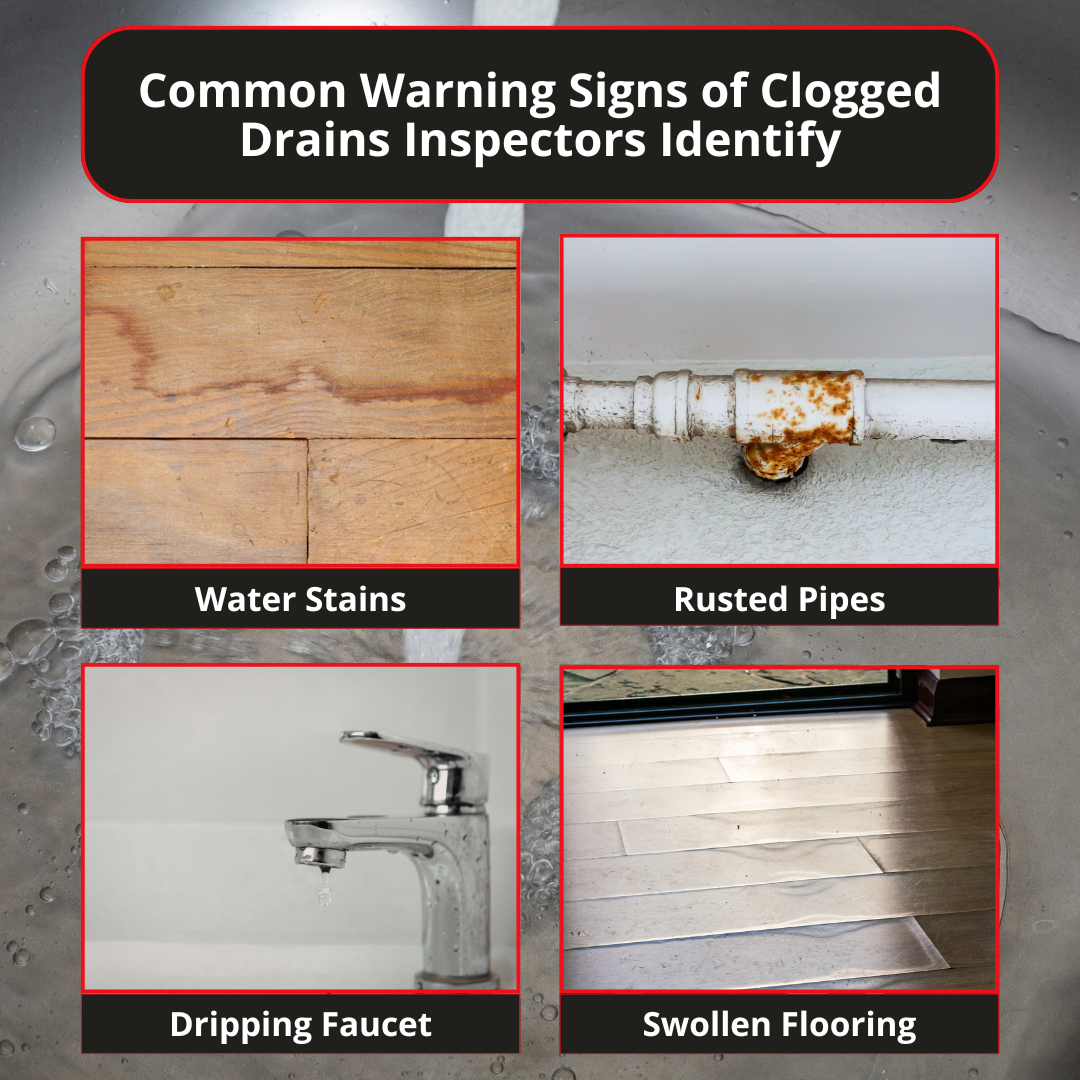
- Swollen or soft cabinet flooring caused by repeated moisture exposure
- Water stains or discoloration on the cabinet walls or the back panel
- Peeling laminate or warped wood near the base of the cabinet
- Rusted or corroded pipes, especially at joints and fittings
- Dripping or damp connections, even when the sink is not in use
These signs suggest that water has been escaping for an extended period of time. Even slow leaks from an ignored clogged kitchen sink can cause structural damage to cabinetry and nearby flooring.
Inspectors may gently press on cabinet floors or closely examine pipe joints to check for softness, corrosion, or active leaks.
Odors and Hidden Moisture Issues
Unpleasant smells under the sink are another common indicator of a long-standing issue. These odors often come from:
- Organic debris trapped in the drain
- Standing water inside pipes
- Mold or mildew growth caused by excess moisture
Homeowners may become used to these smells over time, but inspectors recognize them as warning signs. In some cases, inspectors use moisture meters to detect dampness behind cabinet walls or under flooring where water damage is not yet visible.
Why Ignoring Sink Issues Often Leads to Bigger Problems
A clogged kitchen sink that is ignored can slowly damage materials not designed to handle moisture. Cabinet bases, sub-flooring, and nearby wall materials are especially vulnerable.
According to the Insurance Information Institute, water damage and freezing account for nearly one quarter of all homeowners’ insurance claims. Many of these claims begin with small plumbing issues, such as slow leaks or recurring clogs, that were not addressed early.
As moisture continues to spread, it can weaken structural materials and create conditions where mold and mildew thrive. In kitchens, this damage often develops out of sight, making it harder for homeowners to recognize the severity of the problem until an inspection brings it to light.
By the time visible damage appears, repairs often extend beyond the plumbing itself and may involve cabinet replacement, flooring repairs, or mold remediation. This is why inspectors take these signs seriously and include them in inspection reports, even when the sink appears to function at the surface level.
How Improper Sink Repairs Can Affect Inspection Results
When inspectors find clogged kitchen sink issues or poor repairs, they document the condition, explain potential risks, and recommend next steps.
Improper Repairs May Lead To:
- Repair requests from buyers
- Price negotiations
- Delays in closing
Buyers often view plumbing issues as indicators of overall home maintenance, even when the problem seems minor.
What Home Inspectors Can and Cannot Diagnose
Home inspections focus on observable conditions and system performance at the time of the inspection. Inspectors evaluate how plumbing components function during normal use, without performing repairs or invasive testing.
What Inspectors Do
- Run water at fixtures
- Observe drainage speed
- Check visible pipes and fittings
- Look for leaks and moisture
What Inspectors Do Not Do
- Clear clogs
- Disassemble plumbing
- Perform invasive testing
If a deeper issue is suspected, inspectors recommend further evaluation by a licensed plumber.
How to Address a Clogged Kitchen Sink Before an Inspection
Minor maintenance may be acceptable for small issues, such as cleaning a sink strainer. However, recurring or slow-draining sinks often require professional attention.
Before an inspection, homeowners should focus on identifying whether the issue is occasional or persistent. A sink that drains slowly every time it is used, backs up frequently, or produces gurgling sounds may indicate a deeper plumbing concern that simple maintenance will not resolve.
Permanent, properly installed repairs are more likely to satisfy inspection standards and reduce buyer concerns.
Addressing issues with durable materials and correct installation helps demonstrate responsible home maintenance and lowers the chance of inspection notes related to plumbing.
Taking care of a clogged kitchen sink ahead of time also helps inspectors accurately evaluate the plumbing system without distraction from avoidable problems. This can lead to clearer inspection results and fewer follow-up recommendations.
When a Clogged Kitchen Sink Signals a Bigger Plumbing Issue
A clogged kitchen sink that keeps returning may indicate:
- Main drain line buildup
- Improper pipe slope
- Venting issues
- Aging or corroded plumbing materials
Older homes are especially prone to these conditions. Inspectors often recommend further evaluation when clogs appear persistent.
Common Clogged Kitchen Sink Issues Inspectors Document
During a home inspection, certain clogged kitchen sink issues appear more often than others. The table below outlines common findings inspectors document and explains why they matter during the inspection process.
|
Issue Found |
Why It Matters During Inspection |
|
Slow drainage |
May indicate buildup or pipe damage |
|
Leaks under the sink |
Can cause cabinet and floor damage |
|
Improper P trap |
Safety and functional concerns |
|
Corroded pipes |
Increased risk of failure |
|
Temporary repairs |
Signals deferred maintenance |
Related Questions
How do inspectors check for hidden water damage under sinks?
Inspectors visually examine the cabinet interior, plumbing connections, and surrounding surfaces for staining, swelling, corrosion, or active leaks. In some cases, moisture meters are used to detect dampness in areas where damage is not immediately visible.
What plumbing issues are most commonly found during home inspections?
Common findings include slow drains, minor leaks, corroded pipes, improper fittings, and signs of past water damage. These issues often indicate deferred maintenance or parts of aging plumbing components.
Can slow drains increase the risk of mold growth in kitchens?
Yes. Slow drains can contribute to ongoing moisture under sinks, which creates conditions that allow musty smells, mold, and mildew to develop on cabinet materials and nearby surfaces.
Should plumbing repairs be completed before a pre-listing inspection?
Completing necessary plumbing repairs beforehand can help reduce inspection findings and provide clearer insight into the overall condition of the plumbing system. Permanent repairs are generally more effective than temporary fixes.
What causes recurring kitchen sink clogs in older homes?
Recurring clogs are often caused by grease buildup, narrow or corroded pipes, improper slope, or outdated plumbing components. These conditions are more common in older homes.
How do inspectors document plumbing concerns in inspection reports?
Inspectors describe the observed condition, note potential implications, and recommend repairs or further evaluation when needed. This documentation helps buyers and sellers understand the significance of the issue.
Conclusion
A clogged kitchen sink may seem like a minor issue, but during a home inspection, it can reveal much larger concerns. Ignored clogs and improper repairs often point to hidden leaks, moisture damage, or long-term plumbing problems that buyers and sellers may not anticipate.
If you are buying or selling a home, Harmony Inspection Services offers thorough, unbiased home inspections that help uncover plumbing concerns and other hidden issues before they become costly surprises. Scheduling an inspection with an experienced inspector can give you the information you need to move forward with confidence.