
The main types of homes buyers encounter are single-family detached houses, townhomes, condos, duplexes and multi-family units, manufactured homes, and modular homes, and each one comes with a different ownership structure, a different construction method, and a different inspection scope.
Knowing which category a property falls into before you make an offer helps you understand not just what you are buying, but what kind of inspection you actually need and what it will cover.
The Type of Home Changes What Gets Inspected
A single-family home built entirely on-site gets inspected differently than a manufactured home built in a factory and delivered on a chassis, and a condo unit gets inspected differently than the building it sits inside of. The construction method affects what systems are even accessible to inspect, and the ownership structure affects what the inspection is actually responsible for versus what falls under an association’s shared property. Understanding this upfront prevents a mismatch between what a buyer expects from an inspection and what it can realistically cover.
Single-Family Detached Homes
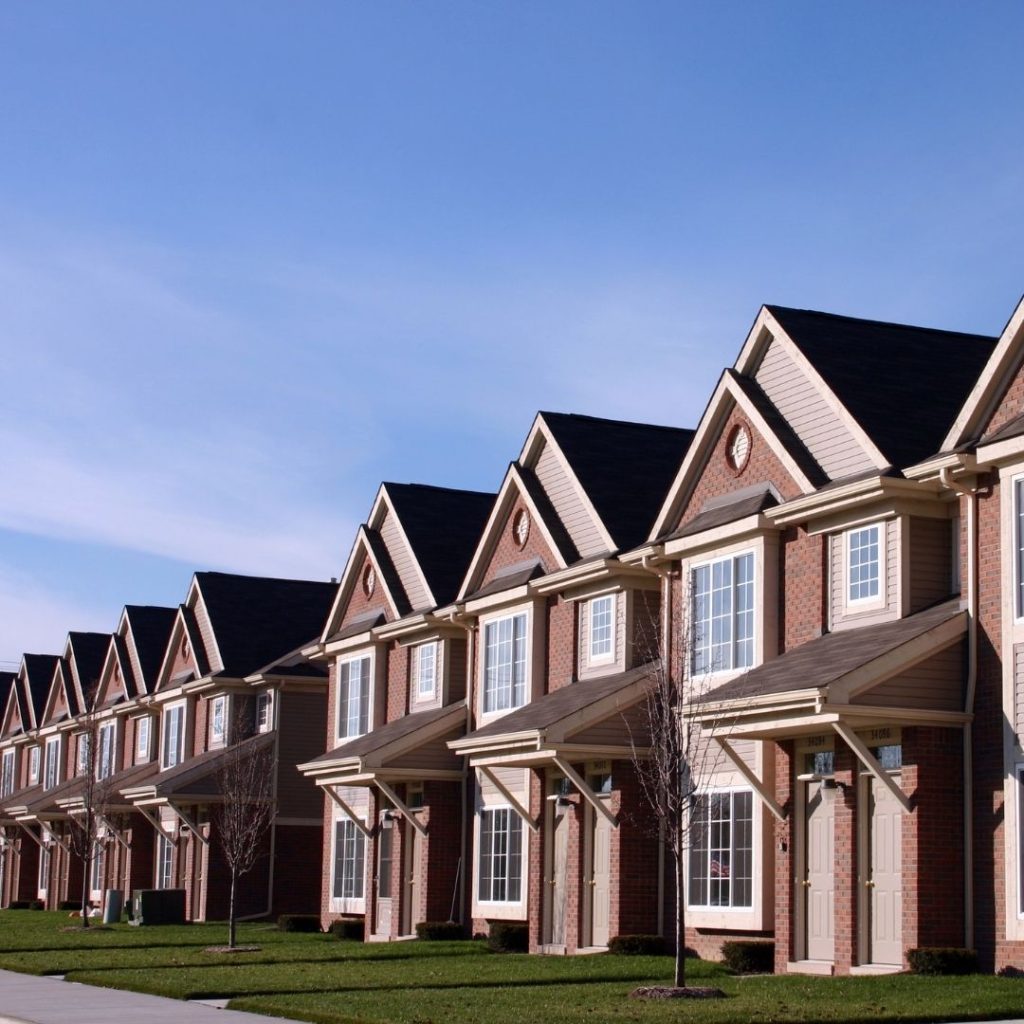
This is the most common home type in the United States, and it is what most people picture when they think “house”: a standalone, site-built structure on its own lot, with no shared walls or utilities. About 61% of U.S. residences fall into this category.
What this means for inspection: The entire structure, from foundation to roof, land, drainage, and all major systems, falls within the scope of a standard home inspection. Buyers get the most complete, self-contained picture with this home type since nothing is shared with a neighboring unit or managed by an outside association.
Townhomes
A townhome sits between a single-family home and a condo. It typically shares at least one wall with an adjoining unit, has its own entrance, and spans two or more floors. Townhome owners generally own both the structure and the land beneath it, though shared elements like the roof or exterior walls may fall under an HOA’s responsibility depending on the community’s governing documents.
What this means for inspection: Inspectors evaluate the interior systems and the owned portions of the structure much like a single-family home, but buyers should confirm with the HOA which exterior elements (roof, siding, shared walls) are the homeowner’s responsibility versus the association’s, since that affects what an inspection should prioritize.
Condos and Co-ops
A condo owner has sole ownership of everything inside their unit’s walls, along with joint ownership of shared spaces like hallways, elevators, parking, and common grounds. A condo association manages the shared portions and collects a monthly fee for upkeep.
Co-ops work similarly but with a different ownership structure: residents own shares in a corporation that owns the building, rather than owning real property directly, and modifications typically require board approval.
What this means for inspection: A condo inspection generally focuses on the interior of the unit itself, since the building’s exterior, structure, and major systems are typically the association’s responsibility. Buyers relying only on a unit-level inspection should also review the association’s reserve study and recent maintenance records to understand the condition of shared systems that a unit inspection won’t reach.
Multi-Family Homes
A multi-family home contains more than one living unit within a single structure, each with its own entrance, kitchen, and bathroom. These range from a small basement apartment inside a single-family home to a dedicated duplex, triplex, or fourplex.
What this means for inspection: Depending on how many units and whether the buyer plans to live in one unit or rent all of them out, the inspection scope can resemble either a residential inspection or lean closer to a commercial-style evaluation, particularly for larger multi-family properties with shared mechanical systems.
Manufactured Homes (Mobile Homes)
Manufactured homes, formerly called mobile homes, are built entirely in a factory and transported to their site on a permanent chassis. They are typically smaller and less expensive than site-built or modular homes and can be placed on owned land or within a manufactured home community where the land is leased.
What this means for inspection: Beyond the standard systems review, manufactured homes typically require verification that the home is properly secured to its foundation. This is where a mobile home tie-down inspection comes in, checking the straps, anchors, and piers that hold the home in place, which matters both for safety and because lenders and insurers often require documentation of proper tie-down before financing or insuring the property.
Modular Homes
A modular home is built in sections at a factory, then transported and assembled on a permanent foundation at the home’s actual site. Unlike manufactured homes, modular homes must meet the same local building codes as site-built homes, and blueprints require approval from the local planning authority just like new construction.
What this means for inspection: Because modular homes are built to the same code standards as site-built homes and sit on a permanent foundation, they inspect much like a standard single-family home. The main difference worth understanding is the assembly process itself: seams between factory-built sections and how well the home was connected to its permanent foundation are worth extra attention.
New Construction
New construction spans several of the categories above, single-family, townhome, or multi-family, but deserves its own mention because of how much can be missed if it is not inspected at the right stages. Georgia’s new construction market is one of the most active in the country, with well over a thousand active communities and hundreds of active builders, which means buyers have more options but also more variation in build quality to account for.
What this means for inspection: New construction benefits from inspection at multiple points, not just at the end. A pre-drywall inspection reviews framing, electrical, plumbing, and HVAC rough-in before insulation and drywall seal everything from view, which is the only point in the process where those systems are fully visible.
Communities Harmony Frequently Inspects
Beyond the structural categories above, the type of community a home sits within shapes what an inspection should prioritize just as much as the construction method does.
- 55+ and active adult communities: Homes here are often single-story or offer a main-level primary suite, with age-restricted amenities like clubhouses and pools maintained by an HOA. Since buyers here often plan to stay long-term, inspections tend to emphasize systems most likely to need attention over the next decade or two: roof age, HVAC condition, and accessibility features like walk-in showers or single-level living.
- First-time homebuyers: Buyers purchasing their first home benefit from a report that explains findings in plain terms.
- Investors and rental property buyers: Investors typically weigh findings against a renovation budget or rental income projections, shifting focus toward big-ticket systems, roof, HVAC, foundation, and plumbing, over smaller cosmetic items.
- Relocation and military buyers: Buyers moving from out of state are often on a tight timeline and may not attend in person, making detailed digital reports with photos and video especially important.
- New construction buyers: These buyers benefit from inspection at multiple build stages rather than a single final walkthrough, given how active Georgia’s new home market currently is.
In a nutshell, the right inspection approach depends on both the type of home and the type of buyer, and a good inspector adjusts for both.
Comparing Home Types at a Glance
| Home Type | Ownership Structure | Construction Method | Key Inspection Focus |
| Single-family detached | Own structure and land | Site-built | Full structure, systems, and grounds |
| Townhome | Own structure and land, shared elements vary | Site-built, attached | Owned portions plus HOA responsibility check |
| Condo/co-op | Own interior, shared common areas | Site-built, multi-unit | Unit interior plus association records |
| Multi-family (duplex+) | Own full structure | Site-built | Each unit, plus shared mechanical systems if present |
| Manufactured | Own structure, land owned or leased | Factory-built on chassis | Systems plus tie-down and foundation anchoring |
| Modular | Own structure and land | Factory sections, site-assembled | Standard systems plus section seams and foundation connection |
Why This Matters Before You Make an Offer
Buyers sometimes assume a “home inspection” means the same thing regardless of what they are buying, but the type of home changes both what is physically accessible to inspect and what falls within the seller’s or association’s responsibility versus the buyer’s. Knowing this ahead of time helps you:
- Ask the right questions of a listing agent or HOA before scheduling an inspection
- Understand what documentation (reserve studies, tie-down certifications, builder warranties) to request alongside the inspection itself
- Set realistic expectations for what an inspection report will and will not cover
When to Call a Professional
Regardless of which type of home you are considering, a professional inspection tailored to that property type is one of the most valuable steps in the buying process.
- For manufactured homes, that means confirming proper tie-down.
- For new construction, that means considering a pre-drywall inspection in addition to the final walkthrough.
- For condos and townhomes, that means pairing your unit inspection with a review of association records covering the shared systems your inspector won’t have access to.
Harmony Home Inspection Services evaluates single-family homes, new construction, and manufactured homes throughout Metro Atlanta and North Georgia, with inspection scope tailored to the property type you are buying.
Related Questions to Explore
- Is a modular home the same as a manufactured home? No. Modular homes are built to the same local building codes as site-built homes and sit on a permanent foundation, while manufactured homes are built to a separate federal HUD code and sit on a chassis, which can affect financing, insurance, and resale value differently.
- Do condos need a full home inspection? Condo units benefit from an interior inspection, but the building’s exterior, structure, and shared systems typically fall under the condo association’s responsibility rather than the inspection scope, so buyers should also review association maintenance and reserve records.
- Can a manufactured home appreciate in value like a site-built home? It depends heavily on factors like whether the buyer owns the land, the home’s condition and age, and local market conditions. Manufactured homes on owned land with a proper permanent foundation tend to hold value better than those in leased-land communities.
- What’s the benefit of inspecting new construction before it’s finished? A pre-drywall inspection is the only point in the build where framing, electrical, plumbing, and HVAC rough-in are fully visible before insulation and drywall cover them, making it far easier to catch issues that would otherwise be hidden for the life of the home.
- How do I know which type of home is right for me? This comes down to priorities like budget, maintenance responsibility, and how much shared versus private space you want. A single-family home offers the most control and privacy but the most maintenance responsibility, while condos and townhomes trade some of that control for shared upkeep costs and amenities.
- Is a home inspection different for a 55+ community? The core scope is the same, but focus can shift. Since many active adult communities feature single-story layouts and long-term buyers, inspectors often pay extra attention to roof and HVAC age plus main-level accessibility features.
The Bottom Line
Understanding what type of home you are buying, whether it’s a site-built single-family house, a townhome, a condo, a manufactured home, or new construction, shapes what an inspection can realistically cover and what else you should be requesting alongside it. Matching the inspection to the property type is the best way to make sure nothing important falls through the cracks.
Harmony Home Inspection Services has been serving buyers throughout Metro Atlanta and North Georgia since 2004, with inspection expertise across home types. Schedule an inspection today or call us!