Picture this. You walk through a home, fall in love with the kitchen, check the closet space, and picture yourself in the backyard. You look at the floors, peek into the garage, and maybe even test the water pressure in the shower. But how often do you actually look up?
Your roof does more than keep the rain out. It plays a bigger role in your homeownership experience than most buyers ever realize, and the shape of that roof matters just as much as its age or materials.
The shape affects how your home handles storms, what you pay for homeowners’ insurance, and what a home inspector is going to find before you ever reach the closing table.
So when it comes to understanding the hip roof vs gable roof debate, most buyers are starting from zero. That is completely normal. But walking into a home purchase without knowing the difference could cost you in ways you would not expect.
By the time you finish reading, you will know exactly what each roof type means for your inspection, your insurance, and your long-term costs as a homeowner. You will also know the right questions to ask before you sign anything.
What Is a Hip Roof and What Is a Gable Roof?
These are the two most common roof shapes you will see on homes across the United States. Both are widely used, but they perform very differently under certain conditions.
Hip Roof
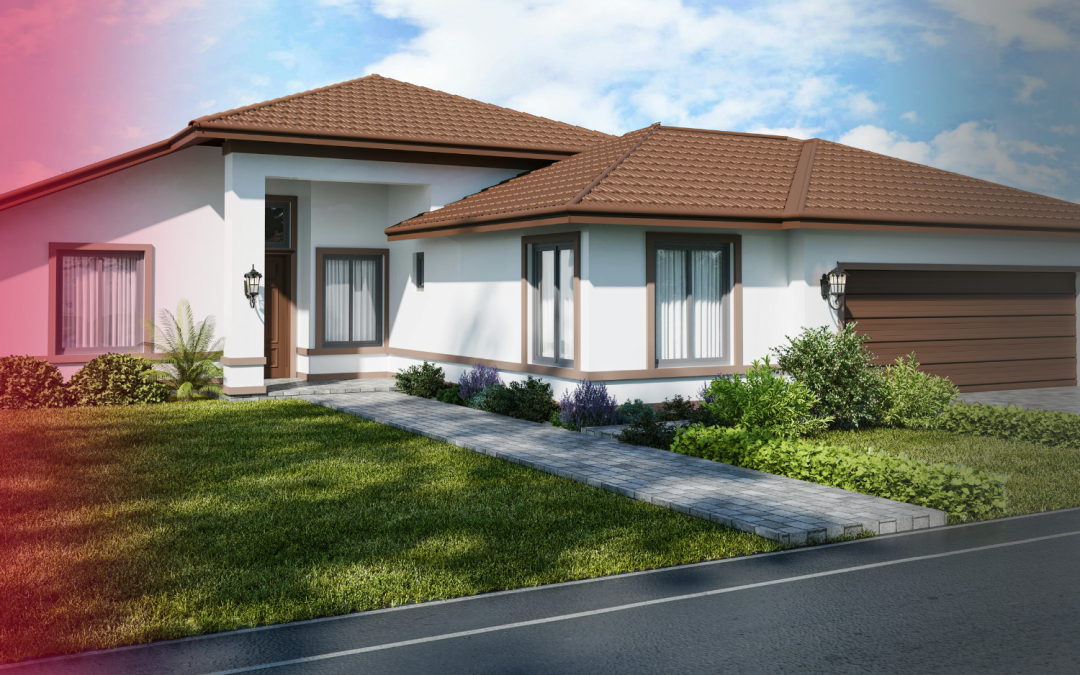
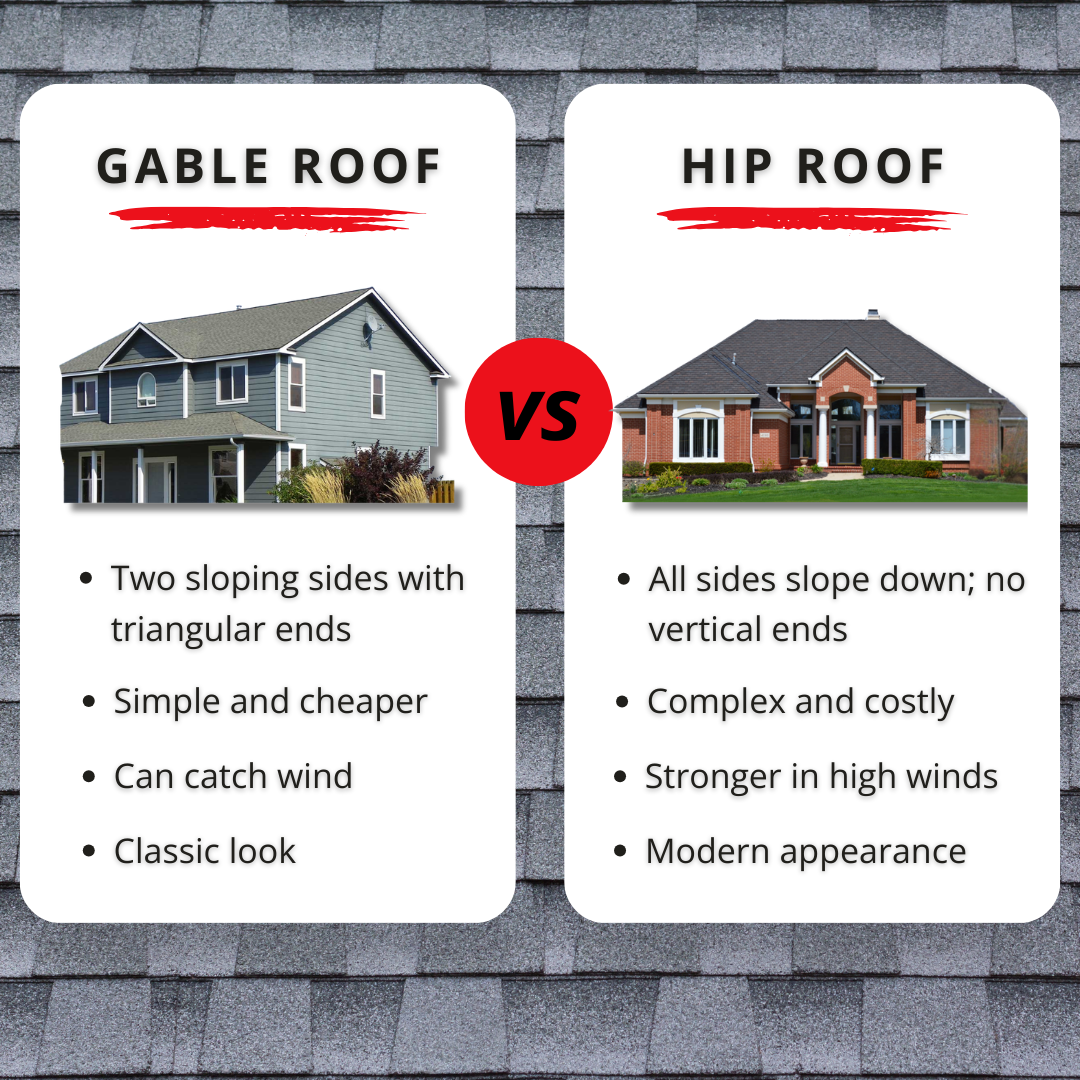
All four sides of a hip roof angle downward toward the walls. There are no flat or vertical ends. This gives the roof a more aerodynamic shape and makes it naturally stronger in high-wind environments.
Gable Roof
A gable roof has two sloping sides that meet at a ridge. The two remaining ends are vertical and triangular, which is where the term “gable end” comes from. This is the classic shape most people picture when they think of a house.
In Georgia, you will find both roof types across older and newer construction. However, newer builds in wind and storm-prone areas have increasingly favored hip roof designs, and there is a clear reason for that.
How Each Roof Type Performs in Wind, Rain, and Storms
Hip roofs generally handle high winds better. Gable roofs can be vulnerable at the gable ends if they are not properly braced.
This is one of the most important factors for buyers in storm-prone states like Georgia, where severe weather, high winds, and the occasional tropical system can put homes to the test.
The U.S. Department of Energy has studied roof performance in wind events extensively. Their research consistently shows that hip roofs outperform gable roofs in high-wind conditions because the sloped geometry reduces the amount of direct wind pressure on any single surface.
Gable roofs, on the other hand, present flat triangular ends directly into the wind. If those gable ends are not properly braced, they can rack or collapse under significant wind load. This is especially common in homes built before modern building codes introduced bracing requirements.
Here is a quick breakdown of how the two roof types compare in storm conditions:
|
Factor |
Hip Roof |
Gable Roof |
|
Wind resistance |
High |
Moderate to low if unbraced |
|
Rain runoff |
Excellent on all sides |
Good on two sides |
|
Snow load performance |
Strong |
Varies by pitch |
|
Common weakness |
Valleys and flashing |
Gable end bracing |
|
Storm performance overall |
High |
Requires proper bracing to compete |
Neither roof type is a dealbreaker on its own. What matters most is the condition of the roof and whether it was built or maintained to code. A well-maintained gable roof in good condition is far better than a neglected hip roof with flashing failures.
What Home Inspectors Look for on Hip and Gable Roofs
A professional home inspection looks beyond what you can see from the driveway. Inspectors are trained to identify issues that are easy to miss during a casual walkthrough, and the roof shape actually changes what they focus on.
What Inspectors Focus on With Hip Roofs
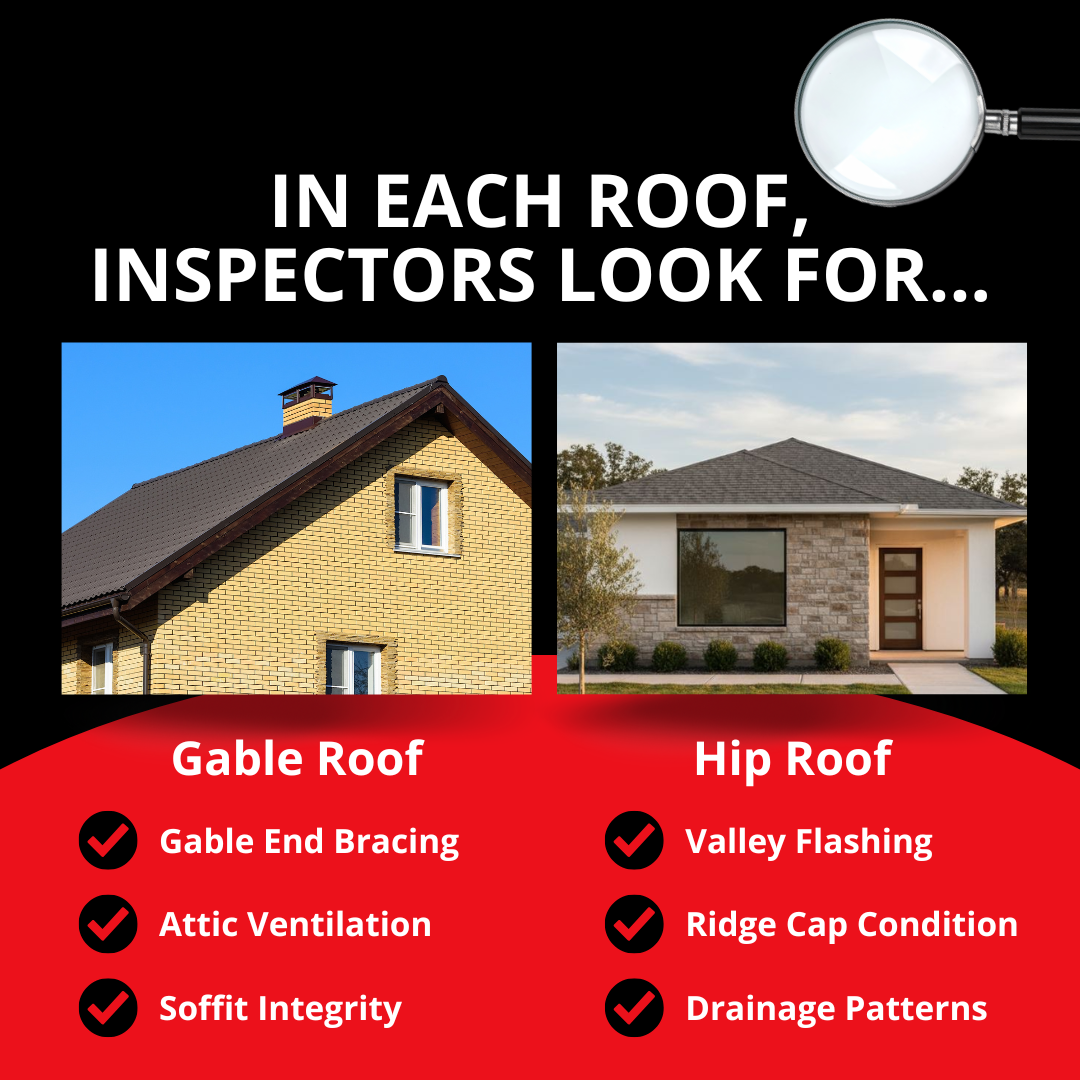
Hip roofs have more surface complexity. Because all four sides slope and meet at multiple angles, there are more valleys, more intersections, and more opportunities for flashing to fail or water to pool.
Inspectors will pay close attention to:
- Valley flashing where two roof planes meet
- Ridge cap condition along the top
- Drainage patterns and whether water is being directed away from the structure
- Soffit and fascia conditions around all four sides
What Inspectors Focus on With Gable Roofs
Gable roofs are simpler in shape but come with their own list of concerns. Inspectors will specifically look for:
- Gable end bracing, especially on homes built before the mid-1990s
- Attic ventilation, since gable vents are common but can be insufficient
- Soffit integrity at the overhanging eaves
- Any signs of water intrusion at the gable ends after heavy rain
If you are buying a home in Georgia, you will also want to ask about a wind mitigation inspection. This is a separate report that documents specific roof features and can directly impact your insurance premium.
Harmony Home Inspection Services offers wind mitigation inspections alongside standard home inspections, which makes the process far more convenient for buyers.
Which Roof Type Costs More to Repair and Maintain?
Gable roofs are generally simpler and less expensive to repair. Hip roofs tend to cost more due to their added complexity.
Because hip roofs have more surface area and more intersecting planes, repairs tend to take longer and require more materials. Contractors also need to work around more flashing points and valleys, which adds labor time.
Gable roofs, by contrast, are straightforward. Two main slopes, simpler geometry, and easier access make them faster and cheaper to fix when something goes wrong.
That said, if a gable end wall or gable vent area sustains wind or water damage, those repairs can be costly. So the overall maintenance picture really depends on the age, condition, and local weather exposure of the home.
Key cost considerations to keep in mind:
- Hip roofs cost more to build and typically more to repair
- Gable roofs are easier to work on, but may need bracing upgrades on older homes
- Roof lifespan depends far more on materials, ventilation, and installation quality than on shape alone
- Regular inspections and minor maintenance catch problems before they become expensive
How Your Roof Shape Affects Homeowners’ Insurance
Hip roofs often qualify for lower insurance premiums in wind-prone states. Gable roofs may cost more to insure, depending on their age and bracing condition.
This is a point that surprises many first-time buyers, particularly in Georgia, where storm season brings real risk.
Insurance carriers in high-wind zones evaluate roof shape as part of their risk assessment. Because hip roofs are more aerodynamic and perform better in wind events, some insurers offer favorable ratings or discounts for homes with hip roof designs.
In Georgia, a wind mitigation inspection can document your roof’s features, including shape, attachment method, and covering type. That documentation can lead to meaningful savings on your homeowners’ insurance premium.
If you are buying a home with a gable roof, that does not mean you will pay dramatically more. However, it is worth asking your insurance provider directly how they rate the roof shape and whether any upgrades, such as gable end bracing, would improve your rate.
Buyers who skip the inspection often miss this opportunity entirely. A professional home inspection from Harmony Home Inspection Services gives you the documentation you need to have that conversation with your insurer from a position of knowledge.
Hip Roof vs Gable Roof in Georgia
Georgia’s weather patterns, including severe thunderstorms, high-wind events, and occasional tropical system remnants, make roof performance a genuine concern for buyers across the state.
Homes built after updated building codes were adopted are generally required to meet stricter wind resistance standards. As a result, many newer Georgia homes feature hip roofs or hybrid designs that reduce wind vulnerability.
Older gable roof homes, particularly those built in the 1970s and 1980s, may have little to no gable end bracing. This is one of the most common findings Harmony inspectors encounter on older homes throughout the region.
Retrofitting that bracing is possible, but it is a cost buyers should factor into their offer and negotiations.
If you are buying in a Georgia county prone to severe storms or high winds, your inspector should be documenting roof-to-wall connections, roof covering type, and roof shape as part of the report.
These findings feed directly into your wind mitigation report and your insurance application.
Questions to Ask Before You Close on a Home
Before you sign anything, make sure you have clear answers to the following questions about the roof. A good inspector will help you get there, but it helps to walk in prepared.
Ask these questions before closing:
- What type of roof does the home have, and how old is it?
- When was the last professional inspection completed?
- Are there any known issues with the valleys, flashing, or gable ends?
- Has a wind mitigation inspection been performed, and is that report available?
- How many years of useful life does the inspector estimate remain on the roof?
- Is the attic accessible, and is ventilation adequate?
- Are there any permits on file for roof repairs or replacements?
Getting answers before closing gives you negotiating leverage, helps you plan for future costs, and ensures there are no surprises once you take ownership.
Not sure what to look for or how to interpret an inspection report? Harmony Home Inspection Services walks you through every finding, so you leave with a clear picture of what you are buying.
Related Questions
Is a hip roof better than a gable roof?
It depends on where you live and what you prioritize. Hip roofs perform better in high-wind and storm-prone areas. Gable roofs are simpler and less expensive to build and repair. In Georgia and other storm-heavy states, hip roofs are generally the preferred choice for new construction.
Which roof type lasts longer?
Roof lifespan is determined mostly by materials, ventilation quality, and how well the roof is maintained over time. Both hip and gable roofs can last 20 to 30 years or more with proper care. Shape alone does not determine how long a roof will last.
Can a gable roof be converted to a hip roof?
Technically, yes, but it is a major structural renovation. It involves significant framing changes, new roofing materials, and updated permits before replacing. This type of conversion is uncommon and typically only considered when insurance savings or wind resistance requirements make it financially worthwhile.
What is a hip and gable combination roof?
Some homes feature a hybrid design that combines elements of both styles. These are sometimes called “hipped gable” or “gablet” roofs. They are more complex to inspect and repair, and buyers should ask their inspector to document all roof sections carefully.
Does roof shape affect home value?
Roof shape can influence value indirectly through insurance costs, wind resistance ratings, and overall curb appeal. In Georgia markets, especially, a hip roof can be a selling point because of the insurance and storm resilience benefits it brings.
What does a home inspector check on a roof?
A home inspector evaluates the visible roof covering, flashing, gutters, fascia, soffits, ridge condition, and mold in any accessible attic space. For hip and gable roofs specifically, inspectors also assess structural elements like gable end bracing, valley drainage, and ventilation adequacy.
Conclusion
Understanding the difference between a hip roof vs gable roof is a small piece of knowledge that can save you real money and real stress after closing.
Your roof shape affects storm performance, insurance costs, repair complexity, and what a home inspector will flag before you sign. Buyers who go in informed are the ones who negotiate better, plan smarter, and avoid unpleasant surprises in year one of homeownership.
A thorough home inspection from Harmony Home Inspection Services gives you a complete picture of the roof and the rest of the home before you commit.